By the tiswa editorial team, from the official sources listed at the end of this guide. How we write our guides
Networking does not mean collecting hundreds of names on LinkedIn or asking everyone you meet for a job. A good network is a small group of people who know you, know what you are good at and remember you when an opportunity comes up. Many internships and first jobs come from someone who knows someone. The good news is that as a student you have the easiest way in: people like helping a serious student.
Why start while you are a student
A student can ask and learn without seeming to want something. When you write to an engineer, accountant or designer and say you are studying their field and would value advice, they will often reply. After graduating, the same request feels heavier. Relationships also take time to grow: someone who met you in second year will be readier to help in fourth year than someone you met a week before you needed them.
Your network is bigger than you think
| Circle | Examples | How it helps |
|---|---|---|
| Professors | Course lecturers, your academic adviser, project supervisor | Ask about career paths and their view on your plans |
| Classmates | Your cohort and older students | Share internship leads and experiences |
| Alumni | Graduates of your major working in the field | Ask what the work is really like and how they got there |
| Family and friends | Relatives and neighbours in different sectors | Many know someone in your field |
| Training providers | Your co-op or summer training supervisor | The strongest reference if you do good work |

Write a list of ten people from these circles who work near your field or know someone who does. That list is your starting point, before any event or platform.
Where to meet people in your field
- Career fairs and career days at your university.
- Specialist student clubs and academic societies.
- Conferences and forums that open their doors to students.
- Hackathons and competitions, where company judges attend.
- Co-op and summer training, as in co-op training and summer training.
- LinkedIn, once you have a good profile as in LinkedIn for students.
What to say when you meet someone
Prepare a short introduction of no more than thirty seconds: who you are, what you study, what interests you in the field, and one question. For example: "I am a third-year industrial engineering student interested in supply chains. How did you get started in this field?" The question matters more than the introduction, because people like talking about their experience, and a good question shows you thought before speaking.
Your first outreach message
If you want to reach someone you do not know on LinkedIn or by email, keep the message short, personal and clear about what you want. Say who you are, why you chose them in particular, exactly what you are asking for, and give them an easy way to say yes or no.
Write me a short outreach message (80 words) to send on LinkedIn to a [job title] in [field].
I am a [major] student in year [number], and what caught my eye on their profile is [something specific such as a project or post].
My request: [a 15-minute call / advice on a path / feedback on my project].
Make it polite, without exaggeration, and show I respect their time.
Following up: where networks are really built
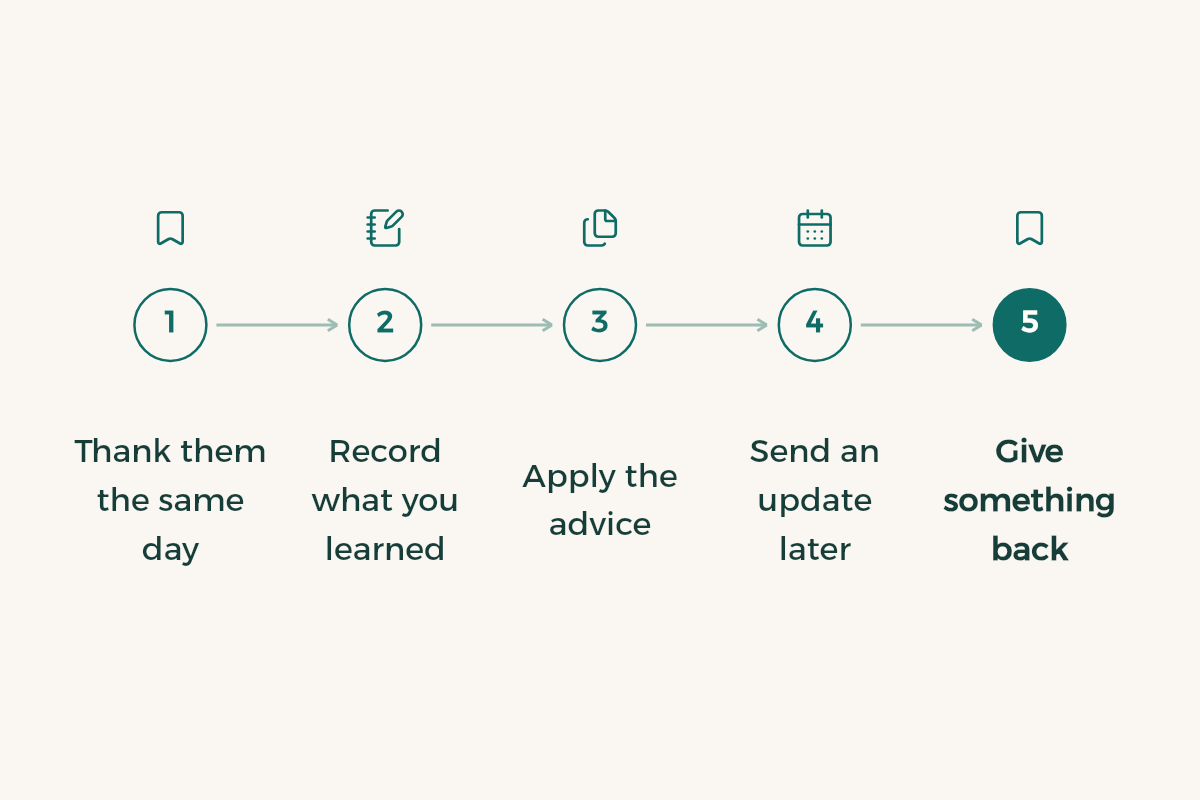
Most people stop after the first meeting, which is why they are forgotten. Following up turns a contact into a relationship. Send a thank-you message the same day mentioning something specific you learned. Then weeks or months later, send a short update: I applied your advice, and here is the result. That second message is what makes someone remember you and care about your success.
- Thank them the same day
A short message mentioning something specific from the conversation.
- Record what you learned
In a note: their name, field and advice.
- Apply the advice
Even part of it.
- Send an update later
After a few weeks, tell them what you did and how it went.
- Give something back
A useful article, congratulations on an achievement, or help with something you are good at.
Give before you ask
A network is not a one-way street. Even as a student you can give: share internship leads with classmates, help a younger student with a course you know well, leave a useful comment on a professional post, and congratulate contacts on their achievements. People remember who helped them and like to return the favour when the chance comes.
Common mistakes
- Sending a LinkedIn connection request with no message.
- Asking someone you just met for a job.
- Disappearing once you get what you wanted.
- Long messages that tell your whole life story.
- Ignoring classmates and professors to chase famous names in the field.
A simple monthly plan
You do not need hours every week. Give your network one hour a month: reach out to one new person, follow up with two people you know, and prepare for one event at your university. After a year you will have real relationships with more than thirty people in your field, which is enough to change your career path. Link this plan to career planning so you know who you need to meet, and remember that soft skills such as listening and asking good questions are the base of every professional relationship.