By the tiswa editorial team, from the official sources listed at the end of this guide. How we write our guides
A tourism student typed “tourism programs” because the lecturer had asked for a two-day itinerary, and the results were adverts for a bachelor’s in tourism followed by ready-made trip offers. The scene is an example, but it shows that the phrase carries three meanings and that the student has to decide which one they mean before reading a single result.
What do tourism programs mean: a degree, a trip or a tool?
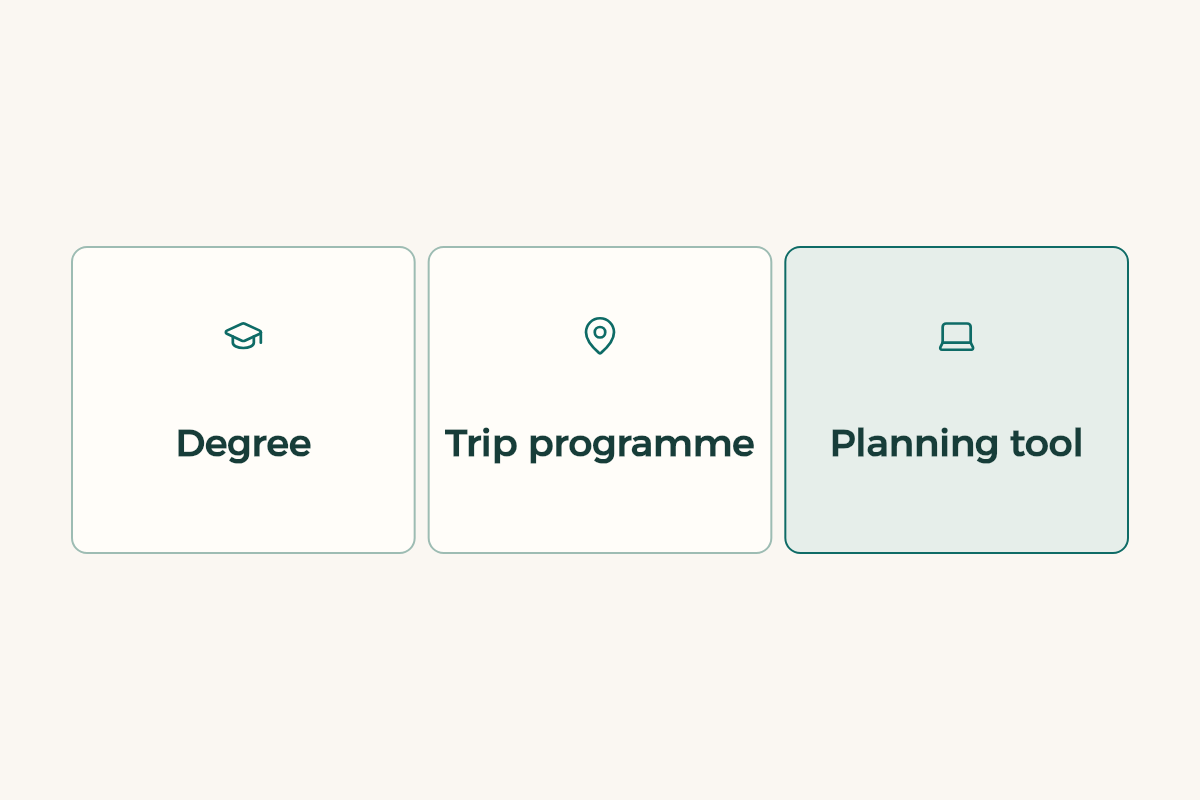
The first is a degree programme: a bachelor’s or diploma in tourism, tourism and events management, or tourism and hospitality. The second is a trip programme: a timetable of places, activities and transfers. The third is a planning tool: a map, a sheet or an app where you put that timetable. A degree is a long decision, a trip is a short task and a tool is a means, so keep them apart.
Is tourism an arts or a science major, and what do you compare before registering?
The practical answer is that the label follows the college that houses the department at your university, and the courses mix management, geography, history, languages and fieldwork. Do not judge by the word; open the plan. Names differ too: tourism and hospitality, tourism and events management, tourism and archaeology are not always synonyms. In English, look for Tourism, Tourism Management or Hospitality Management. Details are in the tourism and hospitality major guide.
- Ask for the study plan
Open it on the college website or request it from admissions, and look at the management, language and field training courses.
- Ask about accreditation
Academic programme accreditation works to standards that the Education and Training Evaluation Commission publishes. Ask the department about its programme’s status now, not just what students say.3
- Ask about training
When does field training start and with which employers? To prepare, read the hospitality internship application project and the hospitality portfolio guide.
- Ask about languages
Which language is taught and for how many hours? It shapes how you work with visitors.
- Ask about bridging
If you are on a diploma, ask about completing a bachelor’s and which courses are credited, and see the bridging programmes guide for the general questions.
These are questions to put to the college, not facts about your university. If the plan is not published, write to the department and keep the reply.
How do you build a trip programme on a reliable source?
Start from the destination’s official source. The Visit Saudi site has a plan-your-trip page that gathers destinations and experiences, which is a sounder starting point than a passing post.1 Then record each item in a sheet: place, arrival time, duration, transfer and a fallback if weather or crowds change. Do not copy opening hours from an old source; keep a separate column that says you will confirm each item with the provider before the trip.
| Item | What you write | What you confirm |
|---|---|---|
| Place | Name and location | Is it open on your day? |
| Time | Arrival and duration | Is the duration realistic with transfers? |
| Transfer | Mode and distance | Is there an alternative? |
| Budget | Shares of spending, not fixed figures | Have you confirmed prices with the provider? |
| Fallback | Plan B | What if a place closes? |
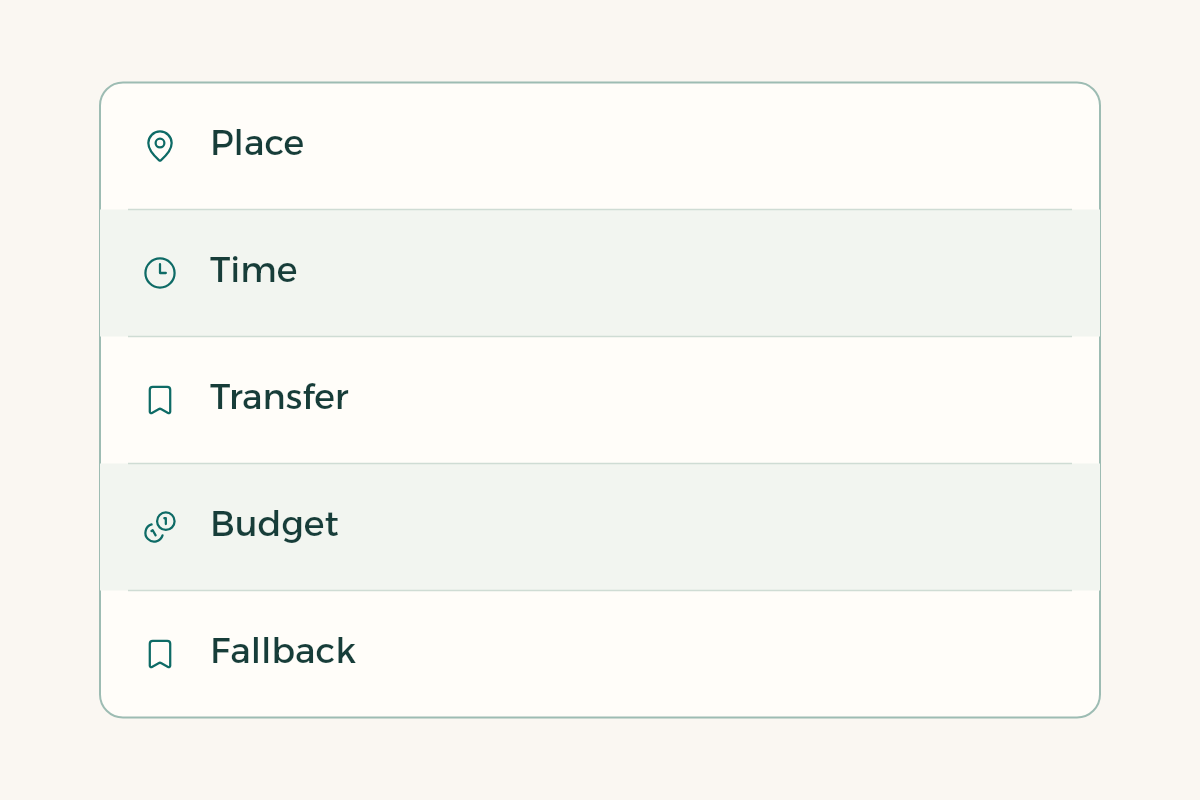
The table is a way of thinking, and your lecturer’s brief is the reference. An example for two days in one city: day one for museums and markets near each other, day two for the far places. Keep nearby places in one day so hours are not lost on the road.
Which planning tool do you need?
Before paying for any app, try a shared map. Google’s My Maps help explains how to create a map and add places and layers, which is enough for most course itineraries.2 Add a sheet for times and budget. If you plan for a group, share the file with view access for everyone and edit access only for the person who maintains the plan, so your work is not overwritten.
What mistakes do people make when planning a tourism programme?
Trusting a map’s time estimate without allowing for crowds. Assuming every place accepts visitors without a booking. Promising a group a price before it is confirmed in writing. And the worst: presenting an experience as if you tried it when you have not visited. State in your assignment which sources you used and what you have not verified.
How do you compare two degrees or two itineraries?
Put the two options in a table with five rows. For a degree: courses, languages, training, accreditation and who you ask. For a trip: distances, timing, fallbacks, budget shares and sources. Score each row out of five. If the options tie, pick the one you can verify in writing, because that is what you can defend in front of a lecturer or an employer.
One more habit helps: after each practice itinerary, ask a classmate to follow it on paper and mark every point where they would have to guess. Each guess is a missing detail in your plan, and finding them in class is cheaper than finding them on the road with a group.