By the tiswa editorial team, from the official sources listed at the end of this guide. How we write our guides
In his third semester in Madinah, a student decided the college he had joined was not what he wanted. A friend told him transfer was open to anyone above a certain GPA, so he applied two weeks into the term, only to find the window had closed and the receiving college had an extra requirement he had never heard of. This is a composite example, but the path is familiar: the GPA line came from an earlier semester, and the date came from a different university.
What is an internal transfer and how is it different from an external one?
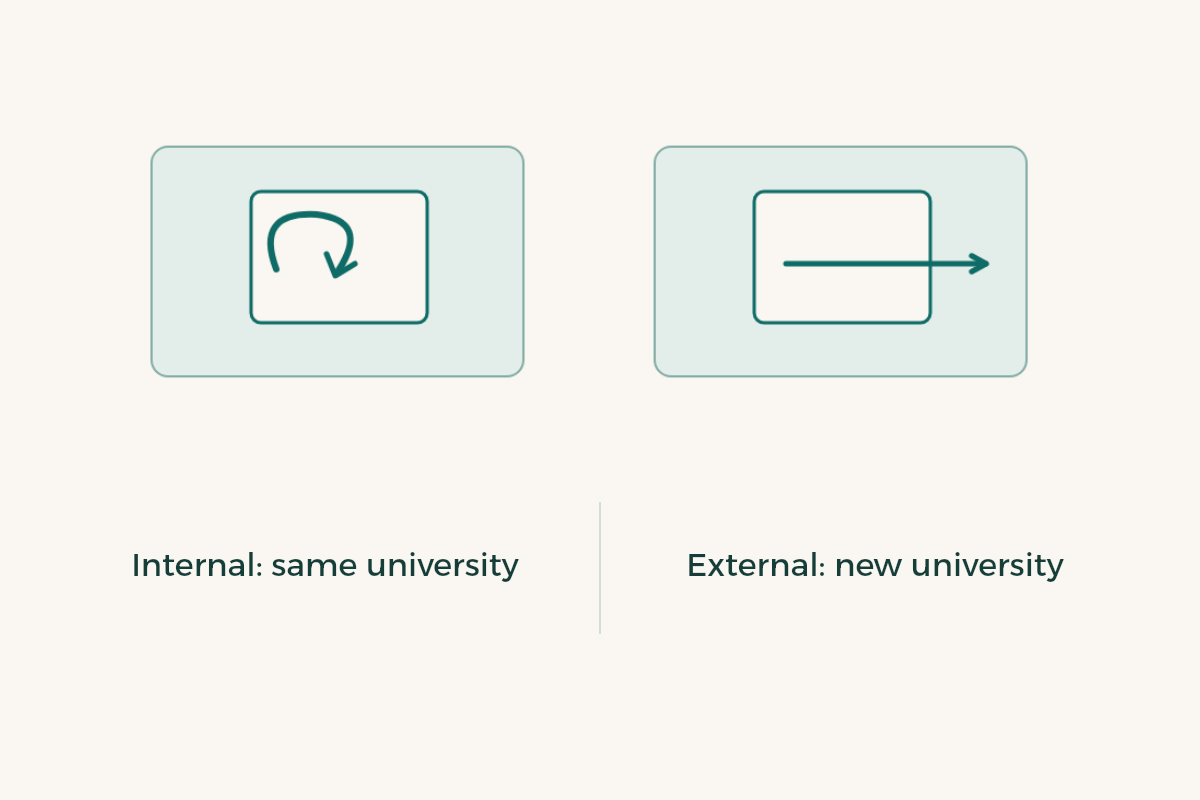
An internal transfer moves you within Taibah University: college to college, department to department, or major to major. An external transfer takes you out to another university or brings you in from one. The difference is more than the label. An internal transfer keeps your record with the same university, while an external one goes through a fresh admission and then credit equivalency. The unified undergraduate regulation allows moves between colleges and departments inside a university under rules the university council sets, and says that courses you studied and had accepted are recorded on your file.2
| Internal transfer | External transfer | |
|---|---|---|
| Direction | From one college or major to another inside Taibah | From one university to another |
| Who decides | The receiving college, under university rules | The receiving university and its colleges |
| Your record | Stays with the same university | Moves, then courses are matched |
| First thing to read | Receiving college conditions and deanship dates | Admission conditions for transfer students |
The table only organises the idea; the detail of each row sits on the university site. If you are thinking about leaving for another university, start with the guide to transferring between Saudi universities, which covers admission and equivalency.
How do you read the transfer conditions before applying?
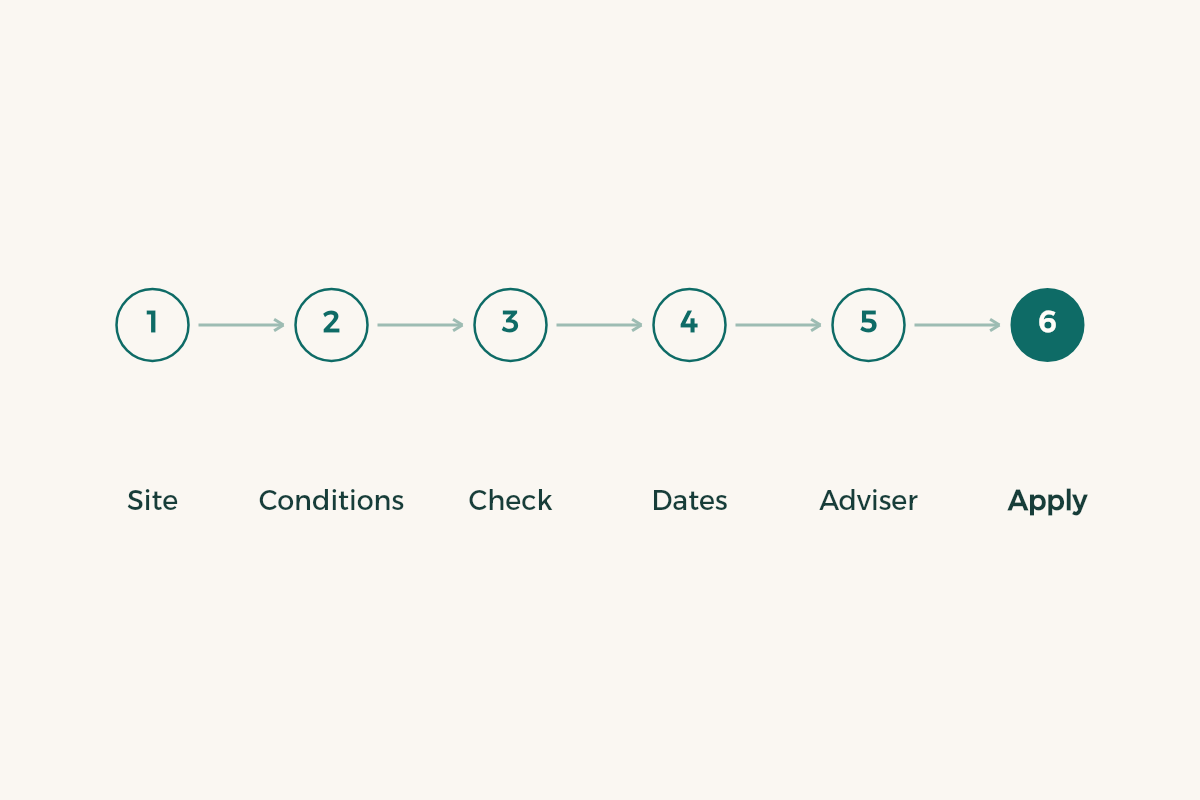
The conditions are rarely what trips students up. The order in which they are read is. Start from the college you want, not the one you are in, because the receiving college makes the call. These steps work for any year:
- Open the university site and the receiving college’s page
Look for “transfer”, “admission” or “transferred students” on its page, and for the academic guide of its department. Read the text, not just the heading.
- Write every condition on one line
The GPA asked for, the credit hours you must have completed, the courses the department requires, and the number of seats if one is published. Copy the wording, not your reading of it.
- Check your own case against each line
Mark every condition “met”, “not met” or “not sure”. The “not sure” lines become your questions to the deanship of admission and registration.
- Read the university calendar and the deanship notice
See when applications open and close, and whether that falls before or after drop and add week. The window in which your request works may be shorter than you assumed.
- Ask your academic adviser, and get the answer in writing
Write: which of my courses will count in the new major, and how many extra semesters will I add if I am accepted? A written reply saves arguments later.
- Apply, then wait for the decision before dropping anything
Do not drop a course or withdraw from a semester on the chance of acceptance. Keep your current schedule until the decision is issued.
When should you submit an internal transfer request?
The university publishes application windows in its academic calendar and in the deanship’s announcements, and they change from term to term, so last year’s window is no guide to this year’s.1 A habit that helps: open the calendar in the first week of each semester and set a reminder for the first day of applications. The common mistake is applying on the last day, when the portal is slow or one missing document needs two days to produce.
There is also a quiet question: is your request decided this semester or the next? If it is the next, you will study the current term in your old college, so choose courses that would count in the new major if you are accepted. Ask this out loud. The answer changes what you register for now.
What happens to your courses and GPA after an internal transfer?
The unified regulation says accepted courses are recorded on your file, and leaves it to the university to set how they enter the cumulative GPA.2 At Jouf University, used here purely as an example and not a Taibah rule, courses are recorded with their grades. That means a weak grade from your old college can stay in your average after the move, so ask before applying: does every course count, or only those the new major needs?
Then count the cost in semesters. If three courses from the old plan do not match anything in the new one, they are extra credit hours. Add up the hours left in the new plan, divide by the load you usually take, and compare that with what remained in your current major. The move might add one semester and be worth it, or add three and not be.
How do you choose a major in university before you transfer?
Choosing the new major comes before the paperwork. Read its study plan, not its name, and count how many of your passed courses appear in it. A major that keeps most of them costs you little; one that keeps none is a restart. Then the mistakes. First, applying on an old condition: a student reads a post from two years ago and assumes the GPA line is fixed. Second, leaving equivalency questions until after acceptance, then finding whole courses do not count. Third, depending on a single major, so when its seats fill there is no second request in the same term. Fourth, careless paperwork: your university ID, a copy of your academic record, and any form the college asks for.
Many students make a smaller error too. They apply and never check the request in the portal again. Some colleges ask for an interview or missing data within days, and a student who does not log in misses it, so the request closes without a word. For two weeks after applying, open it daily.
What should you do if your internal transfer is refused?
First, ask the deanship for the reason in writing, because refusal for lack of seats is different from refusal for a low GPA. In the first case you try next semester; in the second you work on your average first. In both cases ask what the university’s procedure is for an appeal or a new request, and do not assume the door is shut for good.
Meanwhile, treat your old semester as though you were staying: raise your grades, since GPA is the condition that recurs in every decision. The guide on raising your cumulative GPA has practical methods, and if the term is getting tight, read about drop and add before you change your schedule.