
By the tiswa editorial team, from the official sources listed at the end of this guide. How we write our guides
A student in their third semester opens the Deanship of Admission and Registration site and finds three files about internal transfer, each from a different year. Which one should they read? This really happens at King Abdulaziz University, because a new guide is issued each year and the old ones stay online. Only the newest edition applies, and the college tables and conditions change in it.
What does internal transfer mean at King Abdulaziz University?
It means moving between colleges of the university while staying on your own academic record. The Deanship of Admission and Registration publishes internal transfer guides between colleges for each academic year,1 and the guide is the reference, not forums or chat groups. The unified regulation says the university council sets transfer rules,3 and the guide is where those rules are issued. Moving from another university is a different procedure, explained in our guide to transferring between universities.
What are the general conditions for internal transfer at King Abdulaziz University?
The general conditions come before any college table. According to the published guide:2
| Condition | What it means for you |
|---|---|
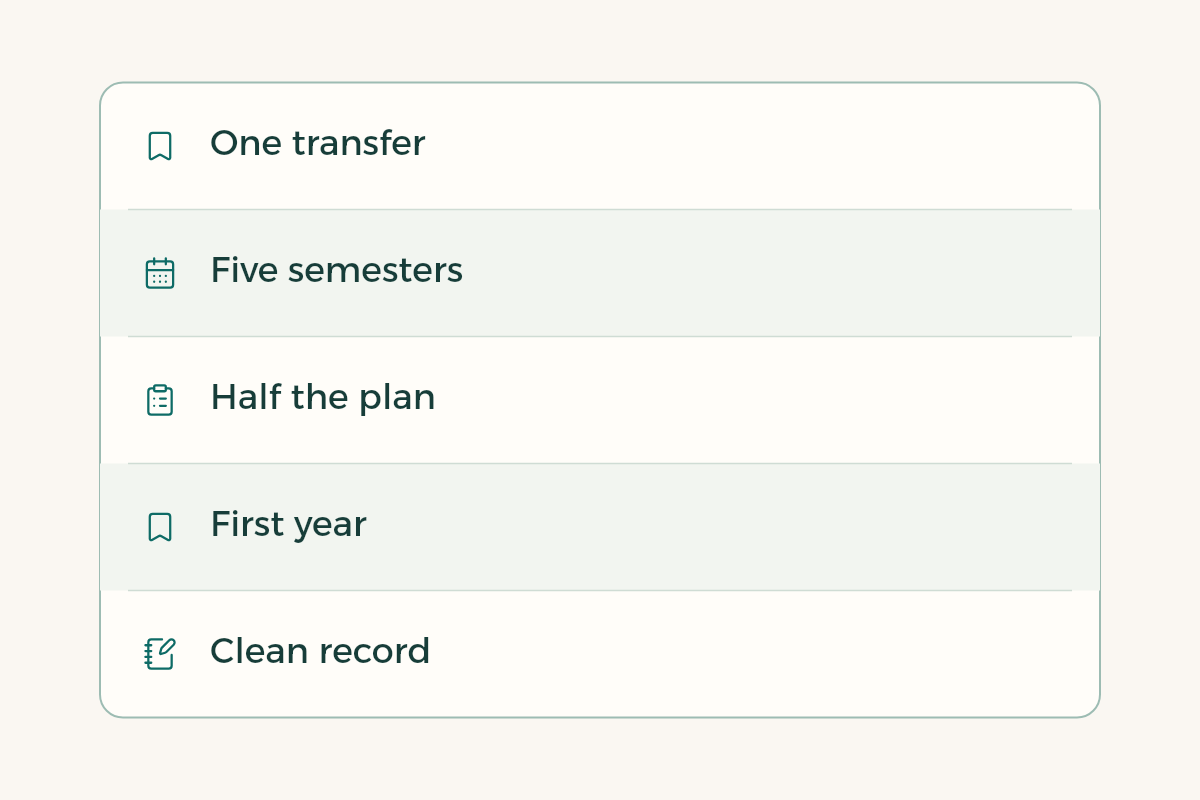
| One transfer | You transfer once during your time at the university |
| Semester cap | No more than five semesters studied or withdrawn |
| Half the plan | You have not passed more than half of your current major’s graduation requirements |
| First year | You have passed the first-year courses |
| Record | No disciplinary penalties on your academic record |
| GPA | Varies by the receiving college and appears in its table |
| Ranking | Applicants are compared by cumulative GPA |
Some colleges add conditions of their own, such as an interview or medical fitness, so GPA alone is not enough.2
How is the half-the-plan condition counted?
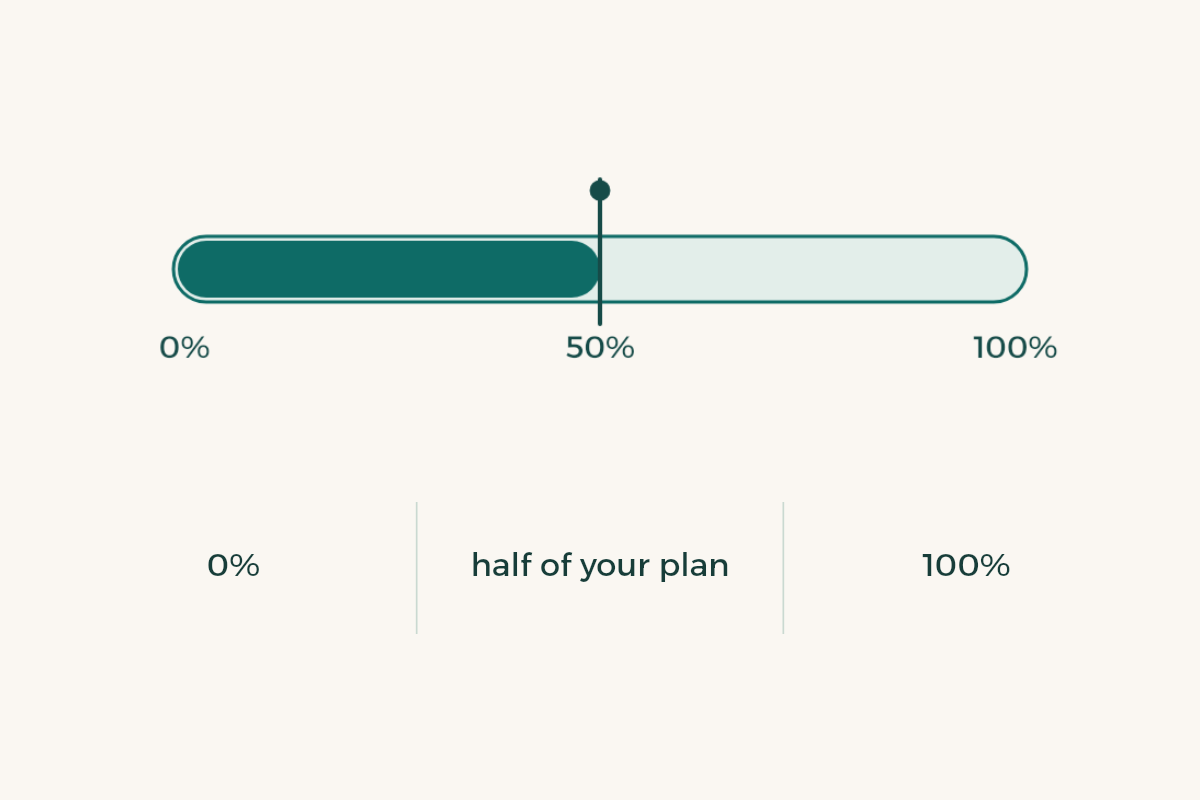
This rule surprises many students because it never shows in the GPA. It means the credit hours you have passed in your current major cannot exceed half of its graduation hours.2 An example, not a real case: a major has 132 hours, so half is 66. A student who has passed 70 will not be accepted even with an excellent GPA. A student who delays the decision until the sixth semester may find the door closed since the fourth. Read your degree plan and count your passed hours today, not in the semester you decide.
How many semesters count against you?
The cap is five semesters, covering both semesters studied and semesters withdrawn.2 Our summary does not spell out how a summer term is counted, so ask the deanship if you studied one. A practical rule: count your semesters now, including every withdrawal and deferral, then compare that number with five before you open the guide.
How do you read your target college’s table?
- Open the current edition
Start from the internal transfer guides page at the Deanship of Admission and Registration and choose the newest.1
- Read the general conditions
If you do not meet them, the college table does not matter.
- Find your receiving college
There you will see the required cumulative GPA and any extra conditions.
- Write down your gap
Put your GPA beside the requirement. A small gap may close in one semester; a large one means looking at a closer college.
- Check the special conditions
An interview, medical fitness, or a course required at a set grade.
- Apply in the announced window
Applications go through the academic system within the period set by the university calendar.2
What if you are refused or your GPA is too low?
Look at the reason before deciding anything. If it was GPA, read how to raise your GPA and check that your own method of calculating GPA matches the university’s system. If it was the half-plan rule or the semester cap, the road is closed in this procedure. Then read withdrawing and reapplying and weigh losing what you have studied against staying in a major you do not want.
For the choice itself, the guide to choosing a major helps you order your priorities, since the transfer is a single use and a mistake costs semesters.
What should you ask the Deanship of Admission and Registration before applying?
Good questions are short and carry a number. Do not write “I want to transfer, what are the conditions?” because the answer will be a pointer to the guide you already have. Write instead: “I have studied four semesters, one of them withdrawn, and passed 58 hours of a 130-hour plan. Am I inside the semester cap and the half-plan rule?” That has a yes or no answer, and it arrives faster.
Some questions the published guide does not settle alone. Does a summer term count towards the five? How is a semester ended by partial withdrawal counted? Is there a tie-break when two GPAs match? Write them down before calling, and note who answered and when. Spoken answers fade; a written reply stays.
If what you were told differs from the guide, the guide wins. Go back to it and quote the clause in your next message. That ends most disputes in one email, and it shows the staff member you really read it. Do not withdraw from a course to improve your chances before you know how that affects the semester cap, because withdrawals count against you.
How do you compare two colleges before choosing?
Open both college tables side by side. Put the GPA of each in one column, special conditions in a second, and what you expect from its study plan in a third. Do not choose the harder college because it is harder. Choose the one you can finish with a good GPA, since the transfer is a single use and the GPA you carry to graduation is what employers will read. Check the best majors in Saudi Arabia to see where jobs are heading before you decide.
All of this applies to the edition we read, so go back to the guide for your current year whenever the application window gets close.