By the tiswa editorial team, from the official sources listed at the end of this guide. How we write our guides
A second-year engineering student in Riyadh decided to drop a course she could no longer keep up with, then learned from a classmate that dropping could delay the next course in the plan. A question to her advisor beforehand would have told her. She is an example, but the college’s advising unit page says something similar: tell your advisor before any academic procedure, because she sees the whole plan and you see only the current semester.
What is academic advising at Princess Nourah University?
The College of Engineering’s advising unit page calls advising a main pillar of university education and “the first support” for a student’s journey. Its tasks include preparing new students, helping them with decisions about their academic and professional future, raising attainment by guiding them along the approved plan, easing difficulties, and following up struggling students to study the reasons.1
The page stresses that the student is the first person responsible for her success. It is a College of Engineering page, and advising at the university is organised inside colleges, so ask your college’s advising unit about your advisor and how to reach her. Details may differ from one college to another.
What does the university ask of the student before the advisor meeting?
The page splits the student’s responsibilities into three stages. Before the meeting: know the advisor’s office hours, book from the start of the semester (preferably at least once a month), prepare questions, review the study plan, and look up the information needed.1 That means the first meeting comes weeks before any problem.
- Learn your advisor’s hours
Find her name and hours at your college’s advising unit. The page asks you to know office hours before you book.
- Book from the start of the semester
Do not wait for a problem. The page prefers at least a monthly meeting; if your timetable cannot manage that, agree a rhythm that suits you both.
- Open your study plan and compare
Write down what you have finished, what remains, and what you want to register in the next two semesters.
- Write your questions in order
Three at most, the most important first. Beside each, write the answer you expect.
- In the meeting, discuss your goals openly
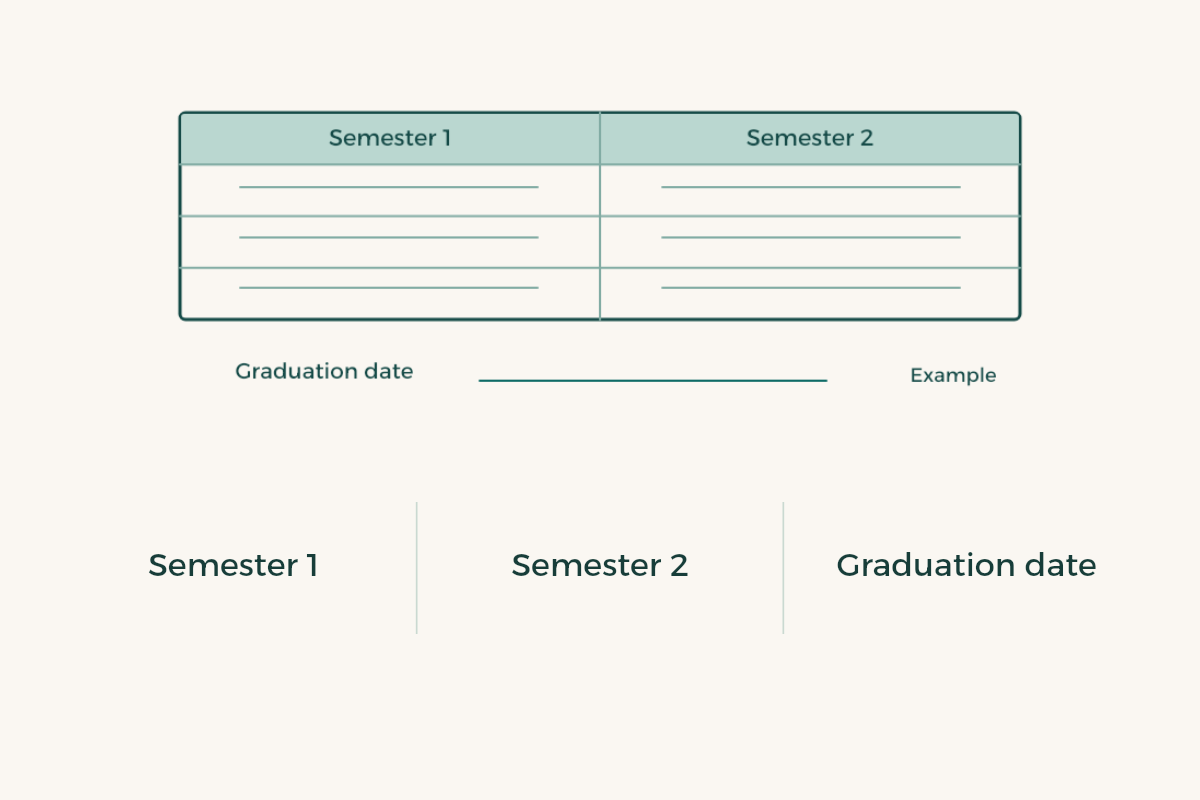
The page mentions discussing career and study goals, fixing the graduation date, and setting a programme and timetable for the next two semesters.
- After the meeting, carry out what you agreed
Email her if needed, review graduation requirements, and tell her before any drop, add, apology or deferral.
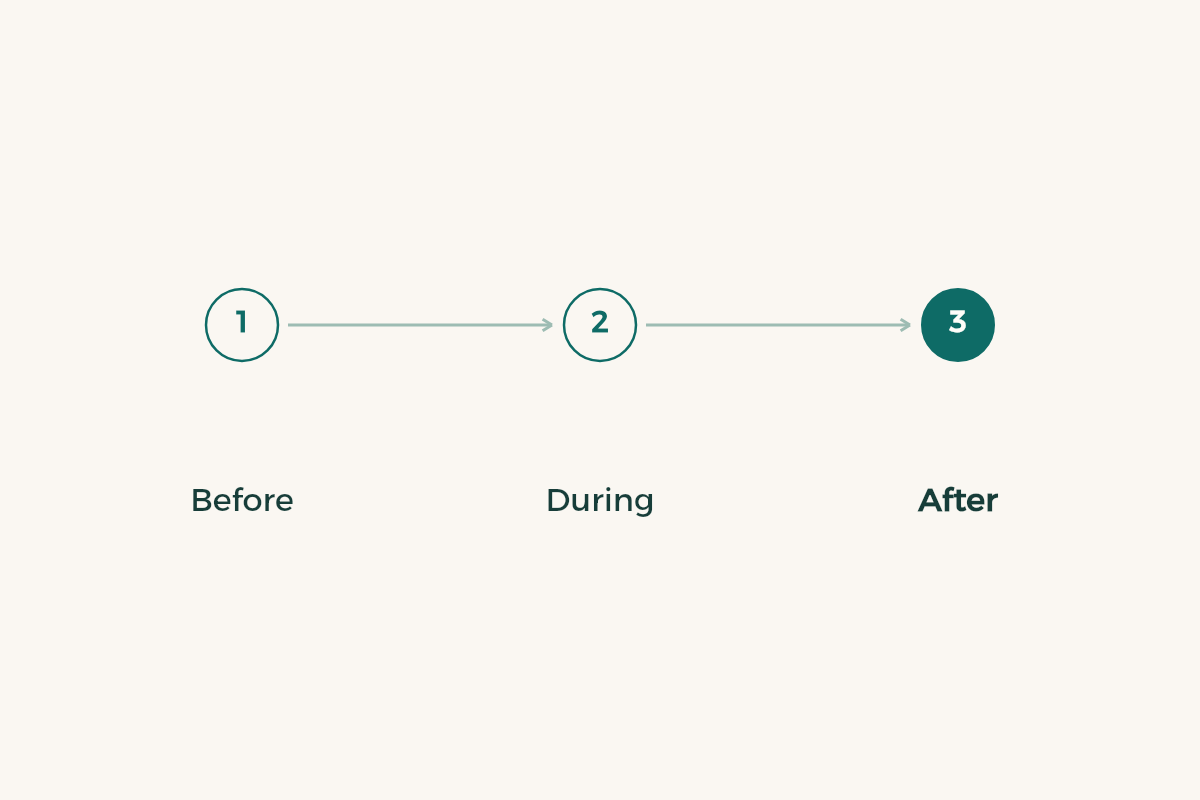
The three stages in the next table come from the official page, and the last column is our suggested application, not the university’s.
| Stage | What the page says | Suggested application |
|---|---|---|
| Before the meeting | Know the hours, book, prepare questions, review the plan | One sheet with what you finished and what you want to register |
| During the meeting | Discuss goals, fix the graduation date, set a two-semester programme | Leave with a written timetable, not a spoken promise |
| After the meeting | Carry out recommendations, email, review requirements, tell the advisor before any procedure | Copy the decision into a note and set a reminder before the deadline |
When do you need your advisor before drop and add?
The page says to tell the advisor before any academic procedure such as drop, add, apology or deferral.1 The university’s advising unit also publishes a drop and add form among its guides and forms. Open it from your college’s advising page and fill it in after you and your advisor agree on the decision.
For general steps read the guide to drop and add, and rely on your university’s regulations and calendar. If you are thinking of withdrawing from the semester, read semester withdrawal and see your advisor before the last date, not after.
What guides and forms does the university publish for students?
The first item is a self-service guide for Banner, the system the guide covers. The unit page lists guides and forms: the student self-service guide for Banner, the student charter, the student advising guide, the advising portfolio, the drop and add form, the advisor’s guide, transfer to the university, and transfer between colleges or majors.1 We have not opened every one of these files, so read the current version on your college’s page before relying on any.
If you are thinking about moving between majors, the guide to university transfer gives general background, but the rules for transfers inside the university sit in the official guides.
How do you raise your cumulative GPA at Princess Nourah University?
Calculate your GPA first with the method in GPA calculation, then take the number to your advisor. Ask which courses weigh most on your average, whether your college regulations allow repeats, and how hours are spread next semester. For practical ideas read how to raise your GPA. The advisor knows the regulation, and you know your circumstances.
How do you prepare questions so the meeting is not wasted?
What the university asks matches the advice of the University of Colorado Boulder: review your record and remaining requirements before the meeting, prepare and rank questions so the important ones come first, then track dates and what you agreed afterwards.2 An example: instead of writing “I want help with my plan”, write “I have finished 60 hours and want to register two level-five courses with one from level four. Does that clash with prerequisites?”. The numbers are an example only. To read your plan well, see the guide to reading your degree plan.
And avoid three repeated mistakes. First, coming to the advisor the day before registration and finding her schedule full. Second, relying on a classmate’s opinion about a rule that changed. Third, staying quiet about a health or family circumstance until time runs short, when the advisor could point you to the right channels while weeks remain.