By the tiswa editorial team, from the official sources listed at the end of this guide. How we write our guides
A week before her first placement at a hospital in Madinah, a nursing student bought an expensive stethoscope, scissors, a watch and clinical shoes in a colour she picked from photographs. On the first morning her supervisor sent the uniform back because the shoe colour did not match the hospital’s rule, and told her the stethoscope is brought later, when the ward asks for it. The items were fine. They were bought before the list was read.
What supplies does a nursing student actually need?
Most colleges split supplies into three groups: what the college requires, such as uniform and ID; what the training site requires, such as a set colour or style and an access badge; and personal tools you choose. The groups repeat but the details differ between colleges, so we do not hand you a list to copy. We give you a way to build your own.
| Group | Who decides | How to check |
|---|---|---|
| Uniform and shoes | The college or the hospital | A written list from the clinical coordinator |
| ID badge | The college | Student affairs office or your department |
| Personal tools such as a stethoscope or watch | The department or clinical supervisor | Ask whether they are needed in week one |
| Vaccines and screening | The facility where you train | The department’s health list or clinic |
| Stationery and books | The course | The course outline on your college system |
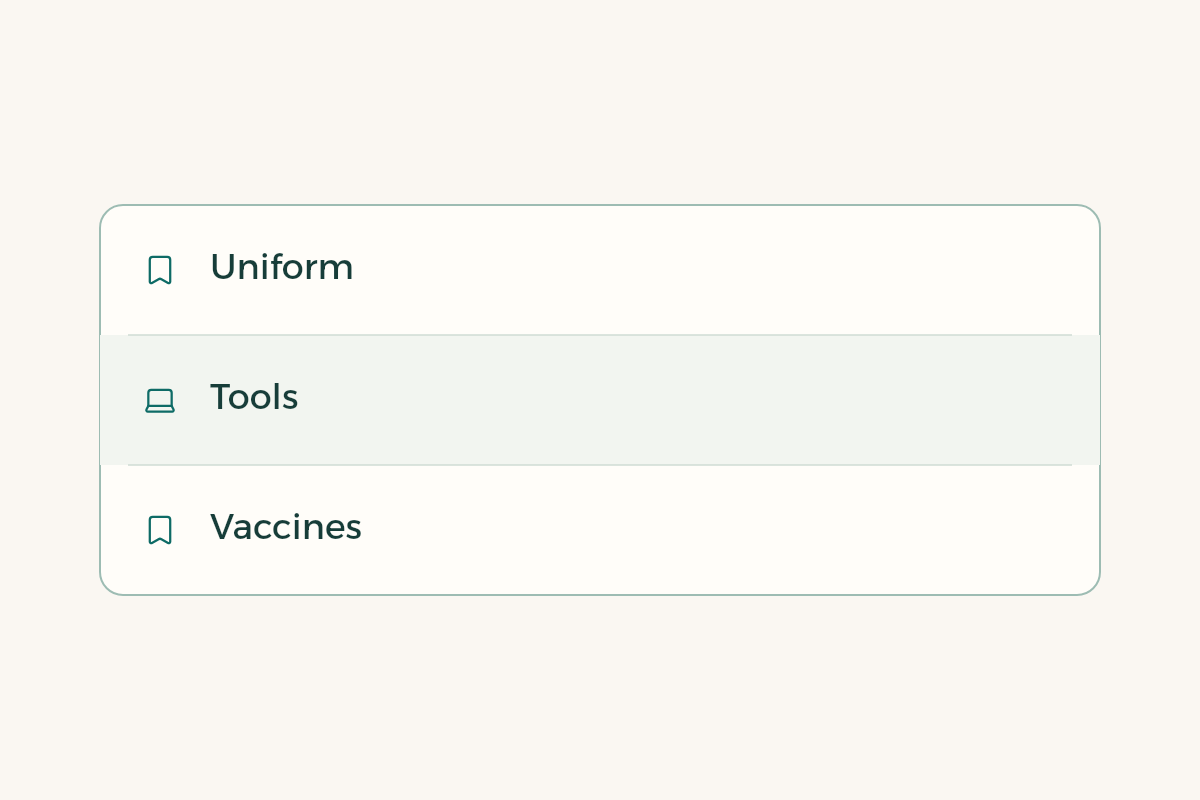
This table shows where to ask, not what to buy. Your college’s groups may differ, so follow what your department says.
How do you check your clinical requirements before buying?
- Ask for the list in writing
From the clinical coordinator or the year supervisor. A written list protects you if opinions differ later.
- Ask about an approved supplier
Some colleges name one shop or one uniform model so everyone looks the same on the ward.
- Separate required from suggested
Put what the college named in one column and what classmates recommend in another.
- Ask when each item is used
A stethoscope or scissors you will not touch before week five does not need buying now.
- Check official bodies when needed
The Saudi Commission for Health Specialties and the Ministry of Health publish general guidance on the profession and training, but your college and facility rules decide.23
- Keep your receipts
Some items can be returned if unused, and some can be swapped if the size is wrong.
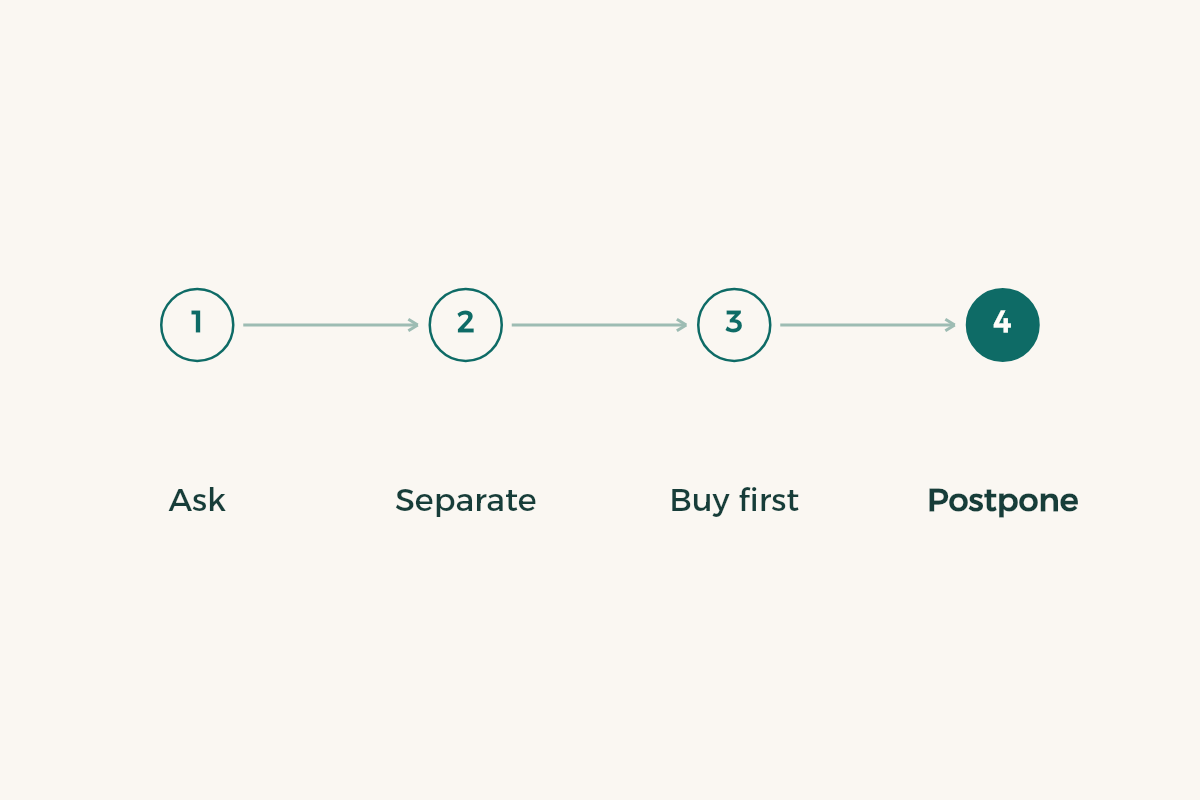
What do you buy first and what do you postpone?
Start with what keeps you out of the ward if it is missing: the approved uniform, ID badge and shoes, where your college specifies them. Then the tools you will need in the first two weeks and have confirmed are required. Postpone everything else until you ask the clinical supervisor. Many wards supply shared equipment, and some devices students are not allowed to carry at all.
If you see classmates carrying items your list does not mention, ask your supervisor before copying them. They may belong to another ward or a higher year, or be personal preference.
Do tools replace learning hand hygiene?
No. The World Health Organization states that gloves do not replace proper hand hygiene.1 Your most important tool in nursing is a skill you learn from day one, not something you buy. Practise the steps with your supervisor before practising with devices, and ask about the protocol of the ward you will work in. Browsing medical terminology before your first day also helps, because much of what you hear on the ward is vocabulary from your textbook.
How can you save without breaking the requirements?
Ask higher-year students in your college which items they want to sell or lend, but never buy a used uniform unless the college confirms it is still approved. Check student discounts in Saudi Arabia for the devices you will rely on for study, and avoid group buying before you have seen the list. Textbooks and handouts are often cheaper borrowed from the library.
To plan beyond placement, read about the nursing major, nursing co-op training and the nursing graduation project; they show what comes after your first clinical block. If you are preparing for the licensing exam, see the SCFHS exam guide.
How do you pack for the first day once the list arrives?
Put in your bag only what the list names, then add what you need yourself: a water bottle, a snack, a spare pen and a sheet with the coordinator’s and supervisor’s numbers. Lay out the uniform the night before, and travel the route to the facility a day earlier so you know the journey takes. Three things shape a first impression: arriving early, a matching uniform and a visible ID badge.
Ask your supervisor in Riyadh, Jeddah, Dammam or Madinah which abbreviations are allowed in documentation, since some facilities ban certain ones to avoid medication errors. Spend thirty minutes the evening before checking the written list line by line; a single forgotten badge can delay your entry by an hour.
What mistakes do students make when buying nursing supplies?
The first is buying before reading the written list. The second is picking shoes for looks, when you may stand for eight hours. The third is trusting a tool over a skill. The fourth is copying a list from the internet that belongs to another country or another hospital, so your uniform breaks your facility’s rule on day one.