By the tiswa editorial team, from the official sources listed at the end of this guide. How we write our guides
Picture a fourth-year student told that the hospital wants a particular test before entry. That may hold at her college, while a classmate at another college is never asked for it and a third college asks two weeks into the term. That is why the requirement lists passed around in group chats do not help you: each programme writes its own regulation, and each facility adds conditions of its own.
Which nursing co-op requirements should you ask about?
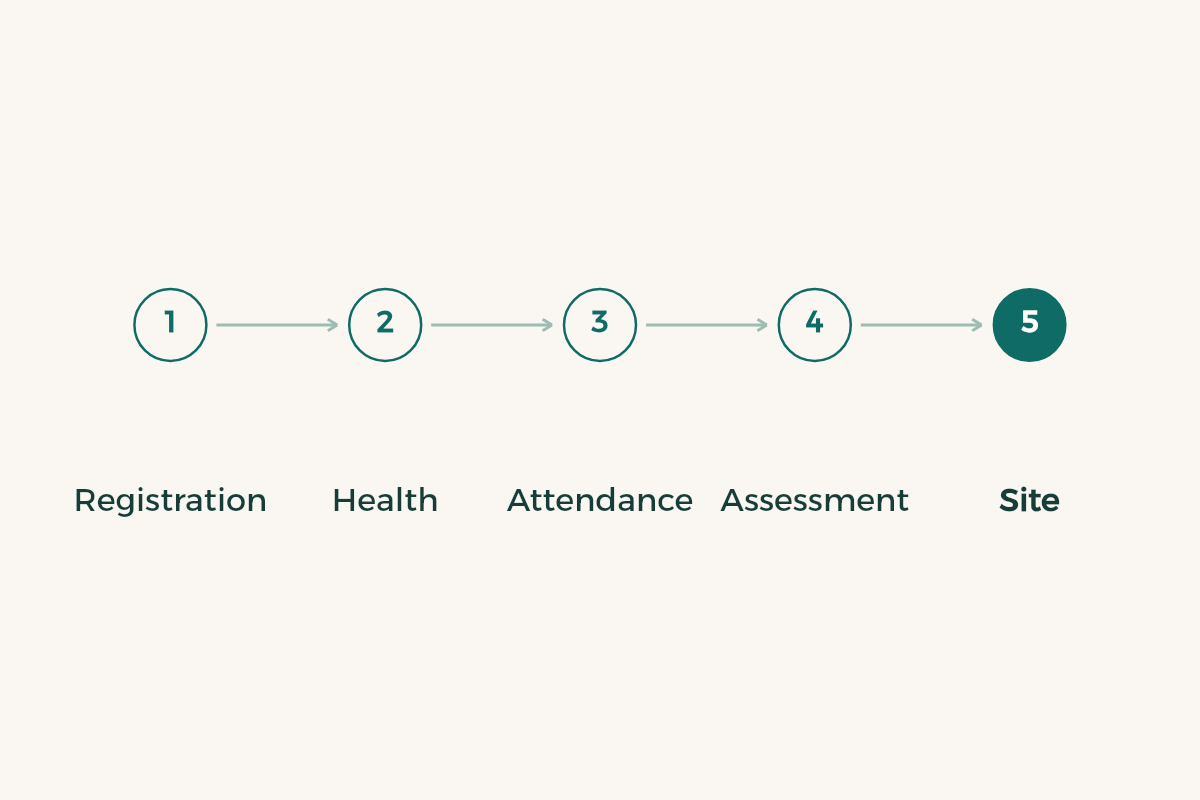
Split your questions into five groups. First, registration conditions: when it opens, whether specific clinical courses must be passed first, and whether your GPA matters. Second, health requirements: whether vaccinations or tests are asked for, who carries them out, and how long that takes. Third, attendance: hours per week, how absences are counted, and what happens if you arrive late. Fourth, assessment: who gives the grade and whether there is a report or a skills log. Fifth, the site: whether you pick the hospital or are placed.
| Group | Your question to the college | What you keep |
|---|---|---|
| Registration | What are the conditions for registering and do I need approval? | The regulation text or the coordinator’s message |
| Health | Which vaccinations and tests are required and where are they done? | A list of requirements with appointment dates |
| Attendance | How many hours per week and what is the absence rule? | The approved attendance schedule |
| Assessment | Who assesses me and on which form? | A copy of the assessment form |
| Site | Do I choose the hospital or does the college decide? | The hospital coordinator’s name and contact |
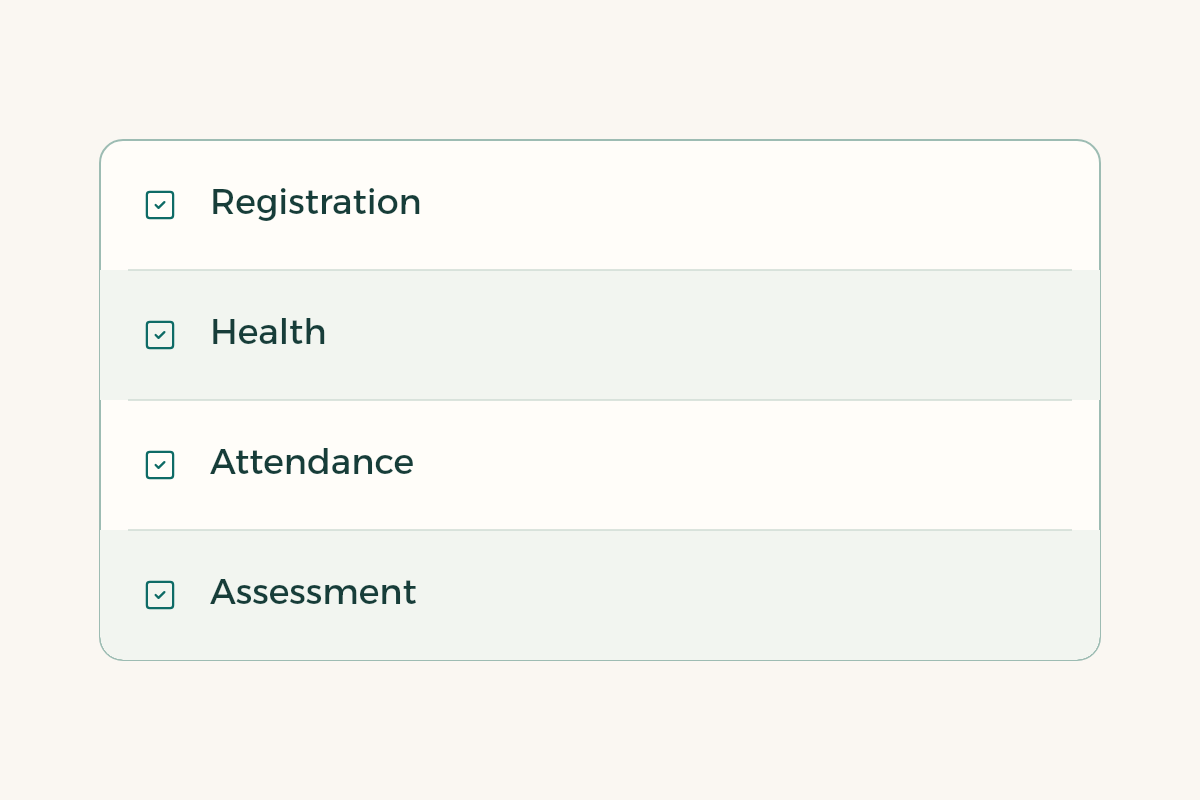
The table is not a set of rules. It is a list of questions, and the answer to each row comes from your college. If two people give you conflicting answers, rely on the written regulation and tell whoever answered that you will follow it.
Who sets the rules for a nursing internship in Saudi Arabia?
Three bodies overlap. The college sets the course regulation and the grade. The health facility sets entry, safety and patient confidentiality conditions. And the Saudi Commission for Health Specialties regulates health practice in the Kingdom, so ask your college about anything tied to registration with the Commission or to the level of work a trainee may do.1 When you are unsure whether a task falls inside a trainee’s limits, go back to your clinical supervisor and do not improvise.
On the general relationship between a student and a workplace, the Ministry of Human Resources and Social Development publishes guidance for student training. Read what applies to co-op and ask the college how it applies to the nursing programme.2
What does a nursing internship in Saudi Arabia need before day one?
Start as soon as you know registration will open, not when it opens. Some items need appointments with an outside body, and those appointments move slowly. Keep one file that records what is done, what is left and the date of each item, and photograph your documents into a folder only you can open. If something takes longer than you expected, tell the coordinator early rather than apologise at the door.
- Ask the coordinator for the regulation
Request a written copy of the co-op regulation for the nursing programme. If none exists, ask for a message that confirms the requirements.
- Ask about health requirements
The list of vaccinations and tests, who performs them, and where results are uploaded.
- Learn the attendance schedule
The number of hours and shifts, and what happens if you must be absent with an excuse.
- Learn the assessment form
Who fills it in, when, and what the unit measures your skills against.
- Collect your papers in one file
Your ID, your academic record, test results and a short CV.
- Date every item for yourself
So no deadline surprises you in your last week.
What does following the requirements protect?
It protects the patient first. Vaccination and entry rules exist to limit infection passing between trainees and patients, so do not treat them as paperwork. It protects you second: a trainee who enters a unit with a gap in the file can be stopped, which costs training time you cannot get back. It protects the college third, since its standing with the hospital rests on trainees who comply.
The International Council of Nurses code of ethics says a nurse’s duties include protecting people and the confidentiality of their information. It is a worldwide reference that shows the spirit behind what a facility asks of you before you touch a patient’s file.3
How do you prepare for the unit interview or the placement?
Some programmes place students in units without an interview, and some hold a short one. Ask which applies to you. If there is an interview, prepare three short stories from your earlier clinical training: a moment with a patient, a time you worked with a colleague, and a time you made a mistake and learned from it. Do not memorise them word for word. Know the point of each and tell it in your own voice. For general preparation, see the guide to job interview questions.
How do these requirements connect to your application skills?
The requirements open the door and your skills persuade the unit to take you. Once your papers are done, read the guide to nursing co-op skills for your application to build an honest skills log, and the guide to co-op training for the general framework in the Kingdom. After training you will write a report, so start early with the guide to the co-op training report.
Which mistakes keep repeating at this stage?
The first is relying on a classmate’s “they told us”. The second is leaving tests to the last week. The third is not knowing whom to call when something goes wrong on the unit. Worse than any of these is treating a requirement as an obstacle you can talk your way past. Put the coordinator’s name and number on page one of your file, and follow the instruction even when it looks excessive.