By the tiswa editorial team, from the official sources listed at the end of this guide. How we write our guides
Suppose you want to compare three glucose methods, so you plan samples from two hundred patients, a culture step and a write-up on accuracy. By week five you have not obtained a single consent. The idea is good, but it belongs to a master’s thesis. A scope that works here starts somewhere else: what will the lab let me do in these weeks?
What is the first scope decision in a medical laboratory capstone?
The sample source. Everything else branches from it. Commercial control materials, solutions with known values, need no patient and no informed consent, and they suit a comparison of two methods or a test of an instrument’s repeatability. Samples from patients or volunteers pull you into ethics and confidentiality. Stored, anonymised material has a third route, which your university defines.
| Sample source | What it needs | Fits a semester? |
|---|---|---|
| Commercial control material | Risk assessment and lab permission | Yes, and it is the fastest |
| Anonymised samples held by the lab | Lab management and ethics committee permission | Possible, depends on approval |
| Volunteer samples | Informed consent and committee review | Hard unless you start very early |
| Patient samples | Hospital ethics committee and informed consent | Rarely within one semester |
| Systematic review of studies | Published sources only | Yes, but it is not bench work |
The table is an illustration, not a rule set by any university. Some departments require real bench work and others accept a review, so ask your supervisor. How to word the scientific question and which topics come up often is in the medical laboratory graduation project guide.
How much bench time does your project really have?
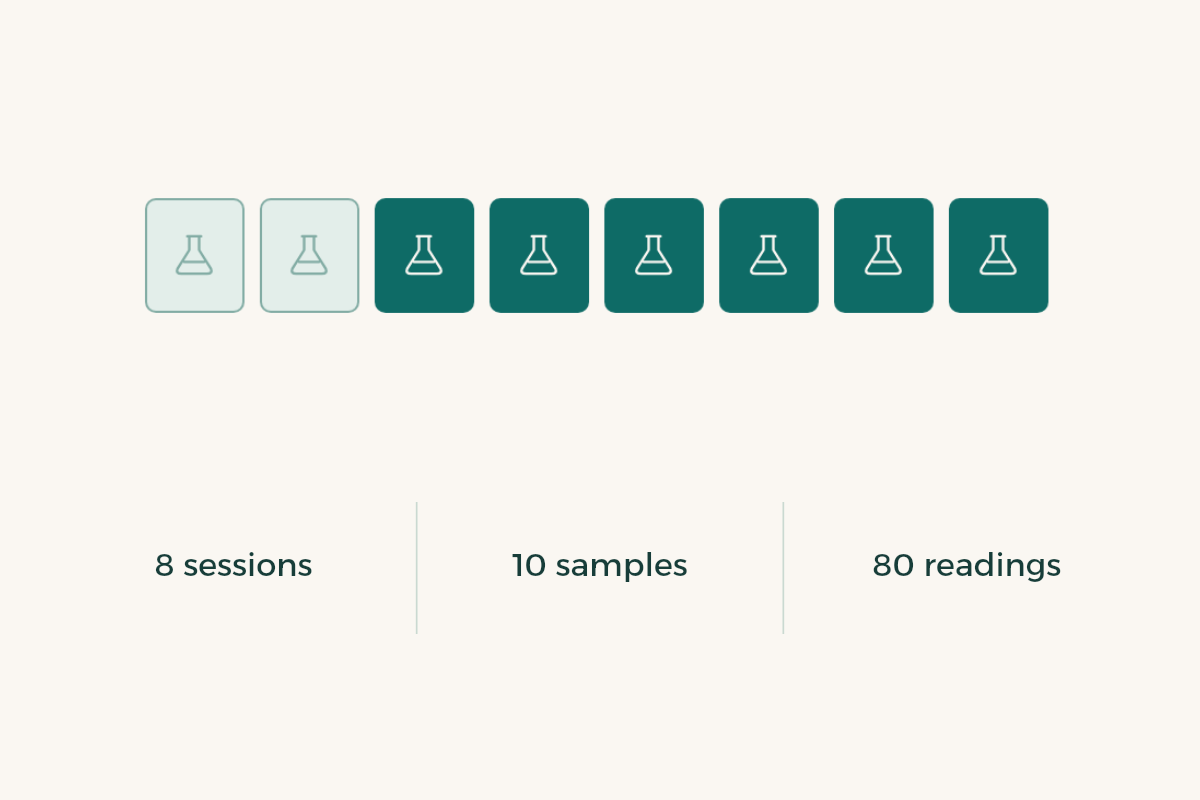
The lab does not follow your calendar. It has opening hours, other students share the analyser, and reagents are sometimes weeks late. So count bench sessions instead of weeks: how many can you book, and how many samples run in one session? Say eight sessions of ten samples each, which is eighty readings if nothing breaks. Subtract a session or two for learning the instrument, then size the question to what is left.
If you are weighing summer experience, the lab co-op skills guide lists what you pick up there, and those skills shorten your learning curve on the instrument in the project.
How do you assess the risks of your lab project?
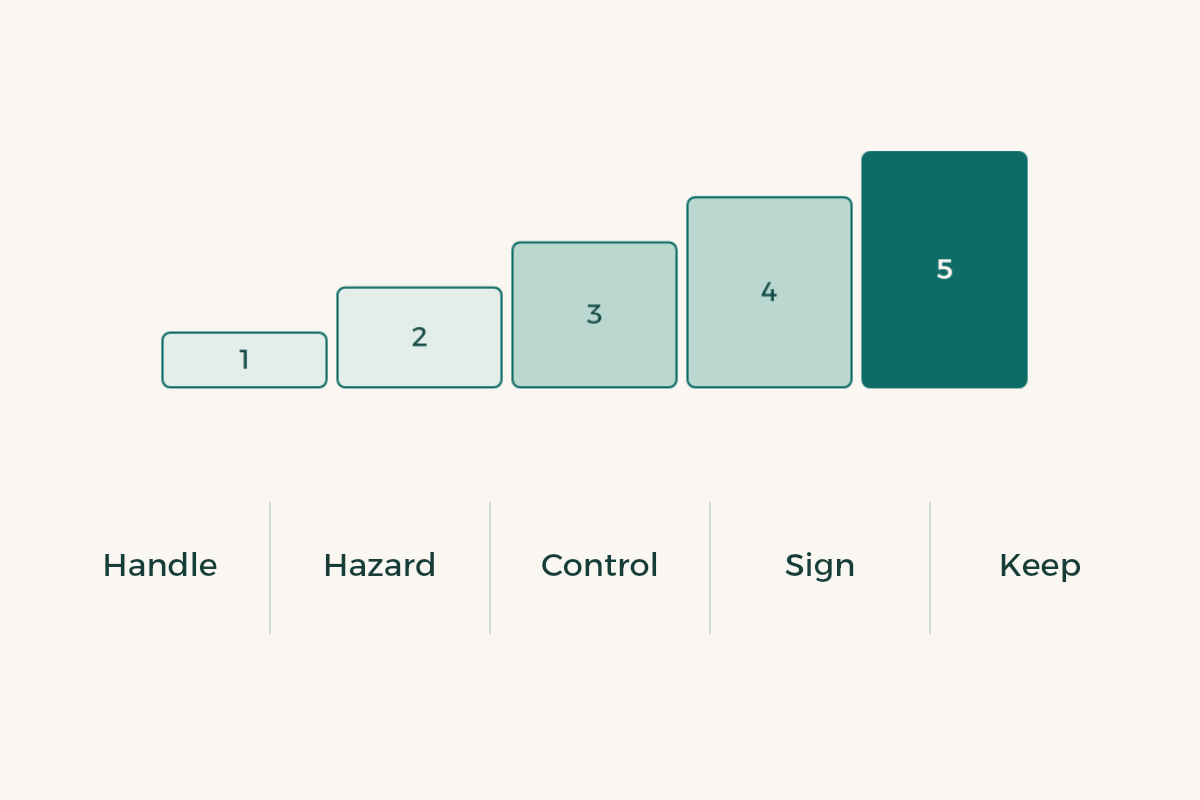
The World Health Organization’s fourth Laboratory Biosafety Manual says a proper risk assessment should always be performed before undertaking any activities, and that control measures follow from its results.1 For your project this means a page written before the first session: what will you handle, what could hurt you, how will you avoid it, and what will you do if something spills. Your supervisor signs it.
- List what you will handle
Every sample, reagent and cleaning agent, with what you know about its hazard.
- List what could happen
A needle stick, a spill, a splash. One line per hazard.
- Write the control for each
Gloves, coat, a sharps container, a clean-up method. “Be careful” does not count.
- Show it to your supervisor and the lab technician
They know things about your instrument and your department’s procedures that you do not.
- Keep a copy in your lab notebook
Review it in week one and revise it if the method changes.
When do you need informed consent and ethics committee approval?
Whenever a person is in your project: a sample from them, data about them, or a survey about their condition. The implementing regulations of the Saudi law of ethics of research on living creatures set out informed consent and require research institutions to have local ethics committees.2 Whether your project falls under this is for your university’s or training hospital’s ethics office to decide, not for you to estimate.
The most expensive mistake is collecting samples first and asking for approval afterwards. Approval requested after collection may be refused, and then the samples cannot be used. Ask in week one, and say in your application what happens to the sample after analysis. If volunteers are involved, prepare a clear information sheet in Arabic that explains the purpose, the risks and their right to withdraw.
What do graduation project examples look like in a lab?
An example, not a published project: a student in Jeddah might compare a handheld glucose meter with the college lab’s chemistry analyser on control material at three levels. She measures each level ten times on each device, which gives sixty readings, and calculates the spread and repeatability. No patients and no informed consent are involved, but she has a written risk assessment. Her limits paragraph says the result applies to these devices and this material and not to whole blood.
Look at what she did: one question, one technique, a number of readings fixed in advance, and a plan that fits six sessions. What she postponed is written down. To present results, use chart type choice so a good result is not spoiled by the wrong chart.
What are good medical laboratory graduation project ideas for one semester?
Think small comparisons: two methods for the same analyte on control material, repeatability of one instrument across several days, or verification of a new method against a reference. All of them start from control material and need no patient. If you want something bigger, write it up as a research proposal and do not promise to finish it in one semester. Practise writing the methods part with the methodology section guide, because it is the part you will be questioned on most.