By the tiswa editorial team, from the official sources listed at the end of this guide. How we write our guides
An engineering student in Riyadh applies for a co-op placement at the start of term, then checks email every two hours. A week goes by and the student drafts four paragraphs explaining why they deserve a place. This is an invented example, but it is a common one, and long messages are rarely read to the end. A good follow-up does not defend the application. It asks where the application is.
When should you follow up on a co-op application?
Purdue’s writing lab suggests waiting about two weeks after sending your résumé and cover letter, then contacting the employer if you have heard nothing.1 Treat that as a starting point, not a law. Some large employers keep applications open for weeks and then review them in one pass, so if the posting says review starts after the closing date, wait for the closing date. Applications to big employers usually go through an online form, as on the Advanced Electronics Company careers page, which collects your details and your training type and duration in one place.2
Before you write, open the confirmation email, if one came, and the automatic reply. Many follow-up questions are already answered there: “applications will be reviewed within so many weeks”. If a period is stated, respect it.
How do you write a professional follow-up message?
Writing guidance advises confirming that your documents arrived, then asking whether they have been reviewed and whether interviews are being scheduled.1 The message below builds on that.
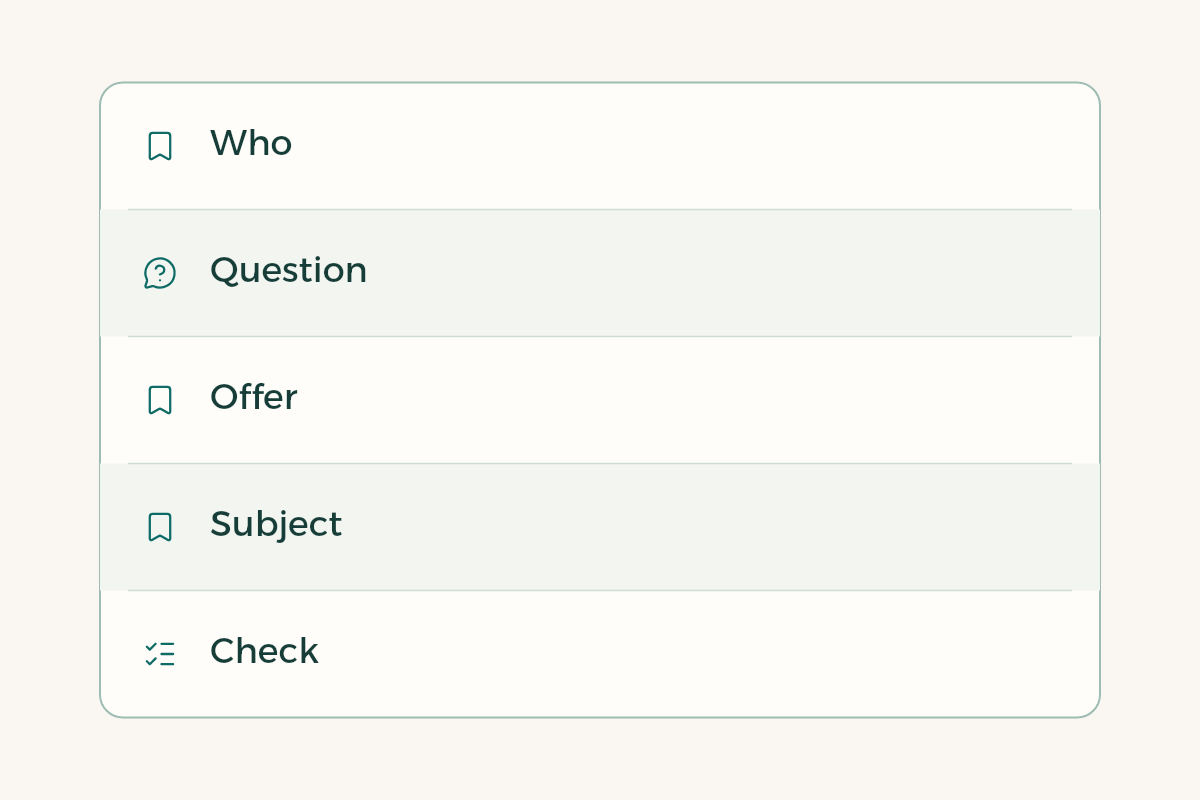
- Line one: who you are
Name, major, university, which application you sent and when. “I applied on Sunday to the co-op programme” beats “I applied a while ago”.
- Line two: one question
“Did my application reach you, and when do you expect to review applications?” Do not ask for the result itself.
- Line three: an offer
Attach your CV again or offer any missing document. It saves them a step.
- A clear subject line
“Follow-up: co-op application, your name, major”. People who open dozens of messages read the subject first.
- Check before sending
Read the name, the address and the date. A wrong company name is worse than a week’s delay.
Here is an example for a formal email: “Dear team, I am [name], a [major] student at [university]. I applied on [day] to your co-op programme and attached my CV. I would like to confirm that it arrived and ask when applications will be reviewed. If any document is missing I will send it today. Thank you for your time.”
Change the bracketed parts, and adjust the language to match the language of your application. Do not paste the same text to ten employers without changing the company names.
What if nobody replies?
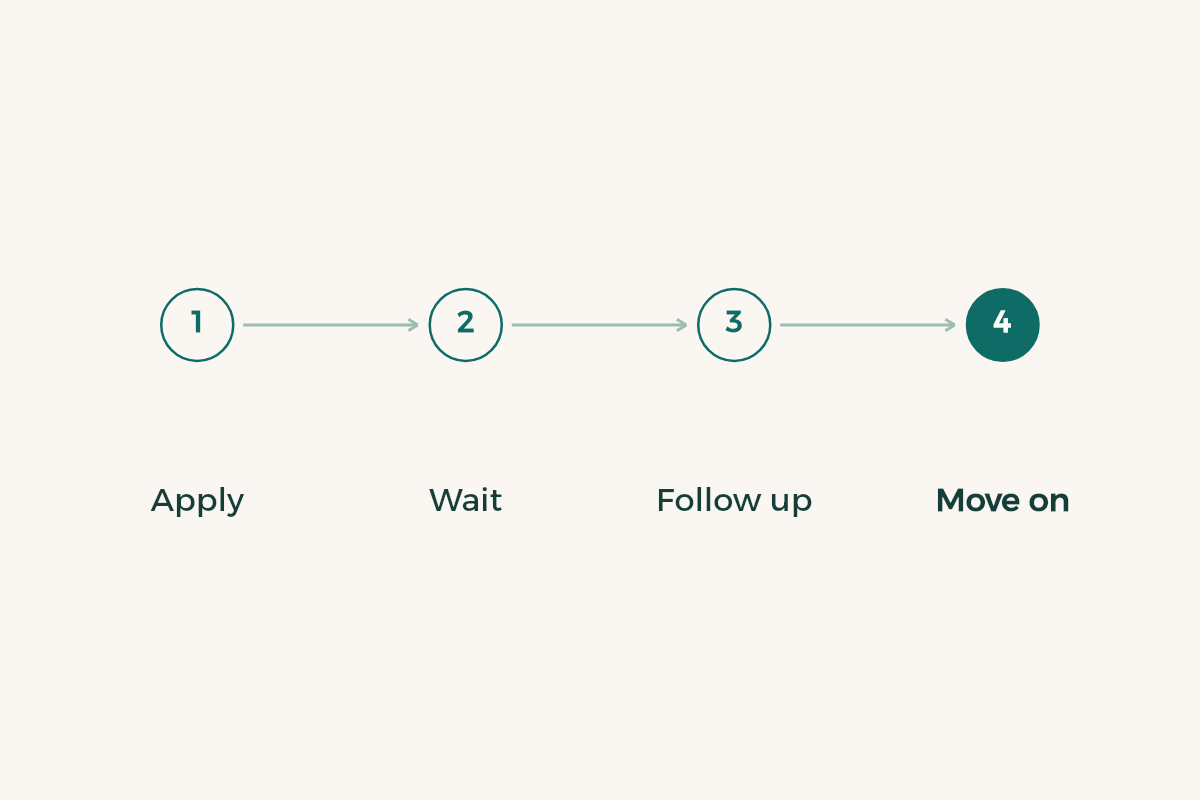
Send a second follow-up a week later, shorter than the first, with the same subject line so the messages stack in one thread. If nothing comes after that, treat the employer as slow or closed, and do not read it as a verdict on you. Keep your application alive but apply elsewhere in parallel; the guides to co-op training in Saudi Arabia and summer internships list other routes.
| Situation | What to do | When |
|---|---|---|
| No automatic reply, no human reply | First follow-up, three lines | About two weeks after applying |
| Automatic reply states a review period | Wait for that period | Until it ends |
| No answer to the first follow-up | Second follow-up, shorter | A week later |
| No answer after two | Apply elsewhere, stop chasing | The same day |
| They ask for a missing document | Send it with a brief thanks | Immediately |
The table is a rough guide for your thinking; each employer sets its own timing in its posting. If the employer names a channel for follow-ups, use that channel and no other.
Should you phone or email?
Email first. Career-writing guidance describes calling or writing after about ten days to confirm your documents arrived.1 But many employers ask applicants not to call recruiters and want follow-ups to go through the portal. If the posting gives no applicant phone number, the email or the form is the right door. If you know someone who works there, ask whether a direct follow-up is acceptable; do not ask them to vouch for you before they know you.
What mistakes ruin a follow-up?
The first is volume. Two messages a week apart show interest; five in two days show pressure. The second is tone: “you did not reply to my application” blames the reader and gets the opposite of what you want. The third is chatty writing or emoji in a formal email. The fourth is sending without attachments, so the reader has to dig out your old application.
One mistake few people notice: following up before checking that the application was ever submitted. Open your account on the application portal and look at the status. Is it complete, or still a draft? Some students wait a month on an application that never went out. Check first, then write.
How do you follow up after an interview?
A post-interview note is a thank-you before it is a question. Career writing guides say a thank-you letter should show appreciation for the employer’s time, restate your interest in the position and remind them who you are.1 Write two lines: thanks for the time, and one sentence that brings back something you discussed, such as a task on the project or a question the interviewer raised. Send it the same day or the next. For the interview itself, see the guide to interview questions.
If the interviewer told you when a decision will be made, do not chase before that date. Write it in your tracker and look again a day or two after. At that point a follow-up is a fair question: “You mentioned a decision before the end of the month; has the timing changed?”
How do you keep track of several applications?
Use a simple sheet with five columns: employer, date applied, follow-up channel, date of first follow-up, status. With seven applications you will forget which ones you chased and mix up names; everyone does. Set a phone reminder two weeks after each application and one week after each follow-up. Those few minutes spare you an embarrassing message sent to the wrong company, and an employer who would have replied.