By the tiswa editorial team, from the official sources listed at the end of this guide. How we write our guides
A biotechnology student in Jeddah reads a posting for an internship in a testing lab. It mentions preparing solutions, documenting results and working to written procedures. In the application the student writes “I am passionate about biotechnology and eager to learn”. This is an invented example, but those two phrases mean nothing to someone reading a hundred applications. The student also had a molecular biology course project with solution preparation and careful records, and never mentioned it. Matching the posting to the project is the whole story.
How do you apply for a biotechnology internship?
Purdue’s writing lab says to customise each letter for the job, to pick important experiences and skills, and to connect each one to a specific requirement of the job.1 Here is that advice as steps.
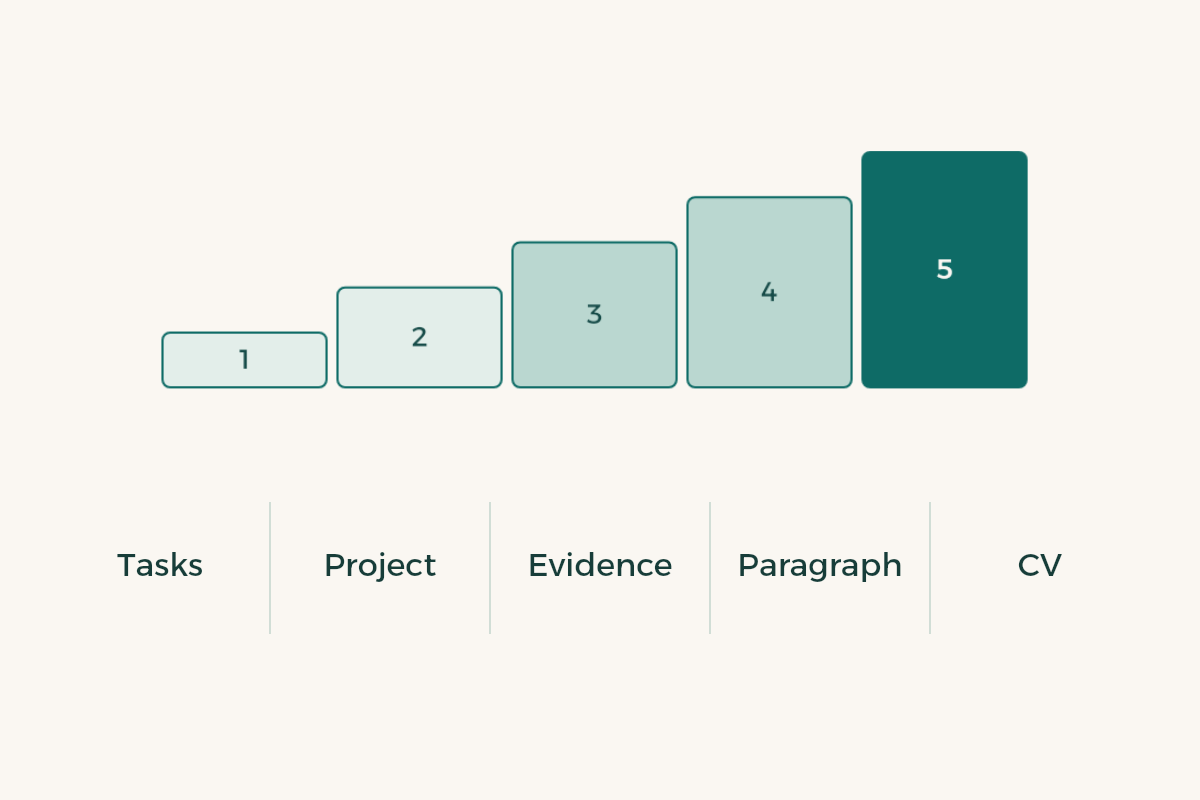
- Pull out three tasks
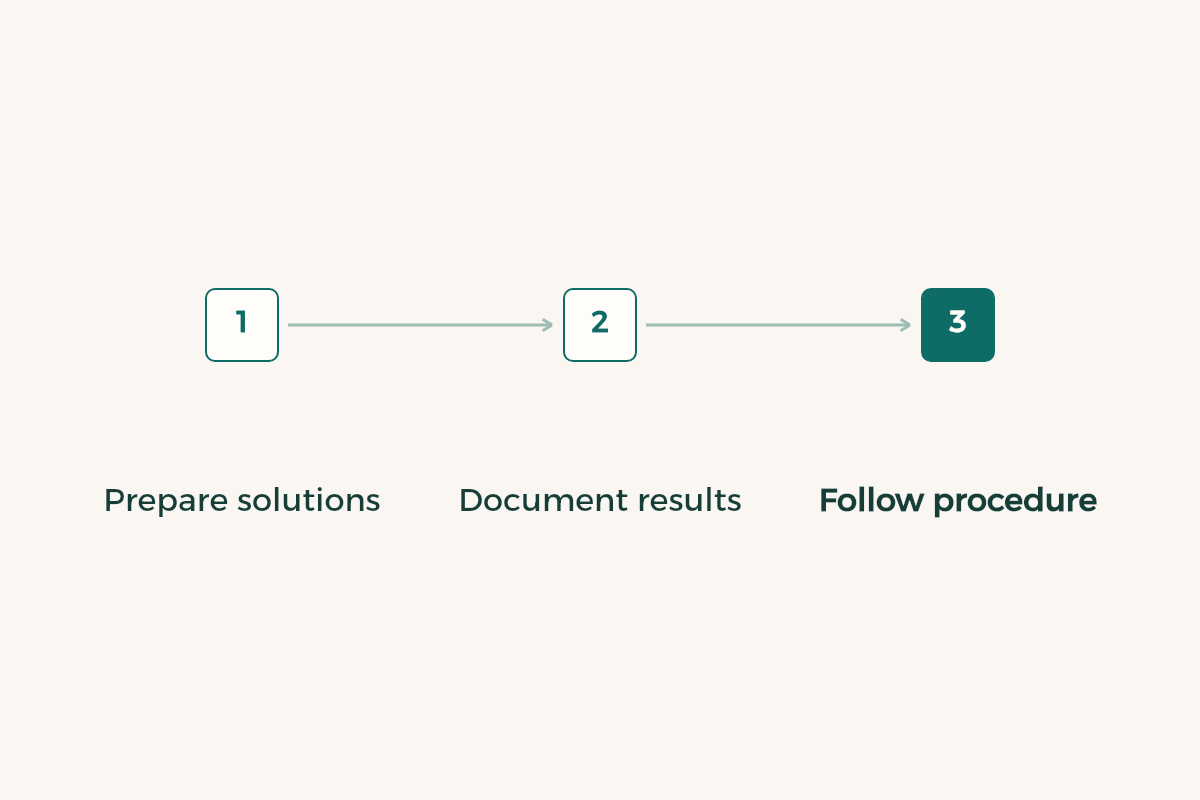
Read the posting and underline three verbs: “prepares”, “documents”, “follows”. These are what the reader is looking for.
- Choose one project
From your courses, pick the project that covers the most of those tasks, ideally two. Do not list five projects.
- Match with evidence
For each task write a sentence: what you did, with what, and the result. Add a number if you have one, such as samples or repeats.
- Write the paragraph
Four lines: why this lab, which project, how it relates to the tasks, and when you will follow up.
- Adjust the CV
Two lines under projects using the same words, then check the names, especially the employer’s.
This works on any posting and claims nothing about a particular lab. If you are unsure how to present your work, see the guide to a biotechnology internship portfolio, which explains the one-page lab piece.
How do you turn a university project into evidence?
The idea is to translate the language of the course into the language of work. In the course you say “we ran a DNA extraction”. In the application you say “I extracted DNA from 12 plant samples over three runs, compared yield between two buffers, and documented every step in a notebook”. The second sentence has a verb, a number and a result. These are examples to show the style; write only your own real numbers.
| Task in the posting (example) | Evidence from a project (example) | How to write it |
|---|---|---|
| Preparing solutions | You prepared solutions at different concentrations in a course | “Prepared solutions at five concentrations and checked the calculations with my supervisor” |
| Documenting results | A well-kept lab notebook | “Recorded each run with date, solution number and result” |
| Following a written procedure | The course protocol | “Followed the protocol step by step and logged any deviation” |
| Teamwork | A group experiment | “We split the samples among four people and I checked my partners’ tables” |
Notice that each cell describes what you did, not what the team did. If the work was shared, state your part honestly.
Should you write a covering letter for a biotechnology internship?
Yes, if the posting allows or asks for one. Purdue’s guide calls the letter the first document an employer sees and a chance to show your writing.1 So keep it short and tidy, and do not make it a copy of your CV. Here is a model main paragraph, written as an example: “I read your internship posting at [employer], which mentions preparing solutions and documenting results. In [course name] I ran a DNA extraction on [number] samples, prepared the solutions and logged every run. I have attached a one-page summary and will follow up in two weeks.” Change the brackets to match your case.
If you cannot find a posting at all, do not assume a vacancy exists. Write to your college’s training office and ask about partner employers, and watch the official channels where postings appear. The guide to co-op training in Saudi Arabia explains how to deal with the employer and the university together.
How do you learn the language of the sector before you apply?
Read the websites of the regulators in the sector you want. The Saudi Food and Drug Authority, for example, describes its mission as protecting public health through legislation and regulatory systems, and its scope includes food, drugs and medical devices.2 That reading gives you no information about a vacancy, but it teaches words like documentation, verification and compliance, so your application uses words the reader of the posting already uses. If the posting names admission criteria, follow them to the letter and do not rely on what classmates say about an employer’s criteria.
What mistakes show up in biotechnology applications?
The first is a long skills list with no evidence: “PCR, gels, cell culture” without saying where you used them. The second is claiming experience with a technique you have not tried, so the interviewer asks one technical question and the application falls apart. The third is a generic letter that omits the employer’s name or uses an old one. The fourth is putting unpublished research data into the application; the portfolio guide covers that. The fifth is skipping the follow-up, whose method is in the guide to following up on a co-op application.
One mistake many people miss: an attachment named “final CV 3”. The file name is the first thing a recruiter sees. Make it your name and major, and check the file opens on a phone, since many readers check email on mobile before they reach a desk.
What if you have no suitable project?
Make a small one. Ask a course supervisor to review a mini experiment you design: a question, a method, controls and a result, using safe and available materials in your university lab. Or analyse a published public dataset and write a page on what you found. A small documented piece beats nothing, and it gives you something to write instead of talking about enthusiasm.
Before sending, read the application aloud once, because mistakes in names and terms are heard faster than they are seen. Then ask a classmate who does not know the project to tell you what they understood. If they understood something other than what you meant, rewrite it.