By the tiswa editorial team, from the official sources listed at the end of this guide. How we write our guides
Picture a final-year student passing a building site in Riyadh and seeing broken concrete stacked beside the road. He wonders whether part of the gravel in a mix could be replaced with recycled aggregate without much loss of strength. It is not a project yet, but it has what many titles lack: a real material, a mix to compare with a reference mix, and a number that comes out of a test.
How do you choose a question for a civil engineering graduation project?
Before the topic, choose the way you will answer. In civil engineering you usually answer in one of three ways: structural analysis with software, a laboratory test on a material, or a field study such as a traffic count or a measurement. Each has its own time, tools and permissions, and this realism is what a committee judges before the elegance of the title.
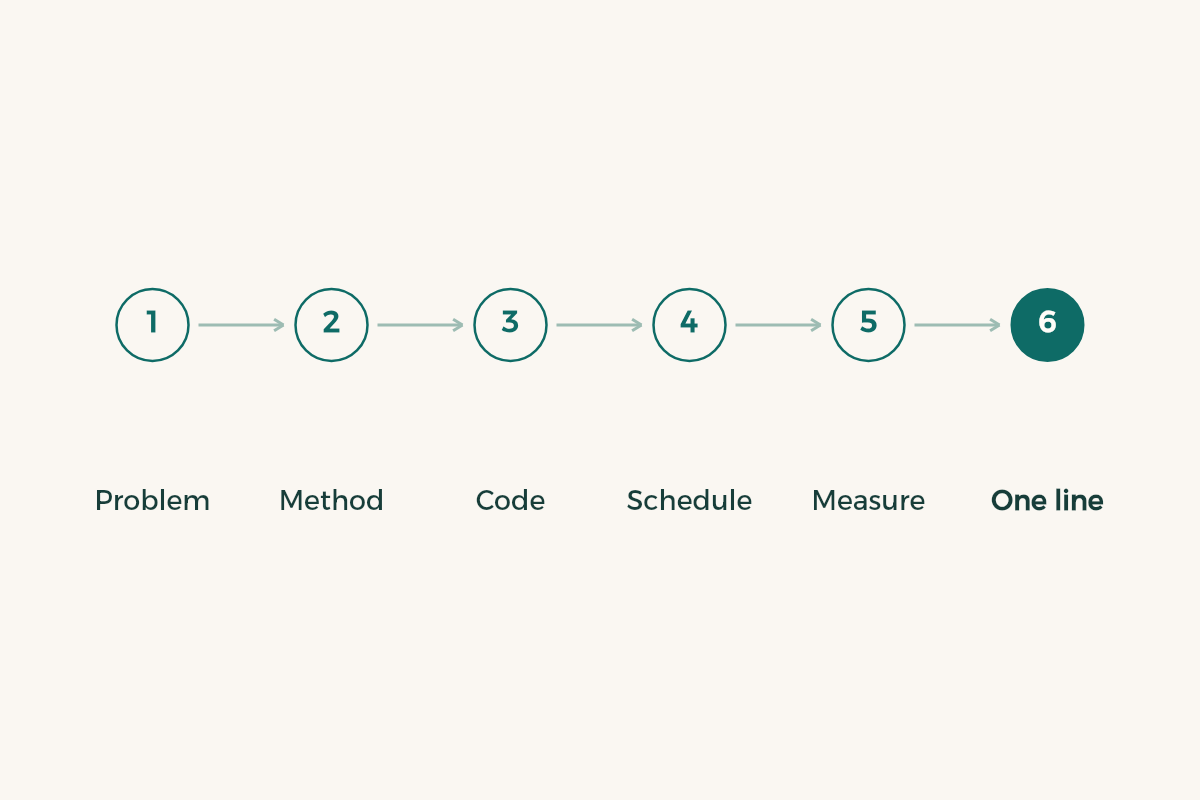
- Write the problem as you saw it
“Broken concrete piles up and is not reused.” One sentence, no solution.
- Choose how you will answer
Analysis, a lab test or a field measurement. Ask your supervisor which fits your timetable.
- Fix the code and the materials
Ask which code your department uses for design and testing. Write down the material, the quantity and where you will get it.
- Build the test schedule
Subtract two weeks for writing from the defence date, then count curing days and machine booking. What remains sets the range of your question.
- Choose one main measure
Compressive strength, slump, deflection in an analysis, or traffic flow. One measure is enough.
- Write the question in one sentence
“How does the compressive strength of concrete change when part of the coarse aggregate is replaced with recycled aggregate, compared with a reference mix at the same age?”
The example above is illustrative and only shows how a question is built. It may not suit your lab, so copy the structure, not the title.
What makes a civil project acceptable and safe?
In the Kingdom the Saudi Building Code National Committee issues codes covering structural design, materials and safety, and this is what your department means when it says “the code”.1 Do not assume that a clause you read in a foreign source is the one in force here; ask your supervisor which edition and which parts apply. The American Society of Civil Engineers publishes a code of ethics that puts public safety and honest reporting of numbers first, which helps you see what a committee expects.2 The Saudi Council of Engineers regulates the profession, so ask how your university’s rules apply to your project.3
| What you want to do | What it needs | Watch out for |
|---|---|---|
| Test concrete specimens | Supervisor approval, lab booking and machine time | Curing days set the earliest date you can crush |
| Run a structural analysis in software | Software, a university licence and a hand check | A pretty model does not mean a correct result |
| Do a field or traffic survey | Department approval, a letter to the site owner and safety steps | Never enter a working site without permission and protective gear |
| Survey contractors or engineers | Department approval and non-personal questions | Hide names and say taking part is optional |
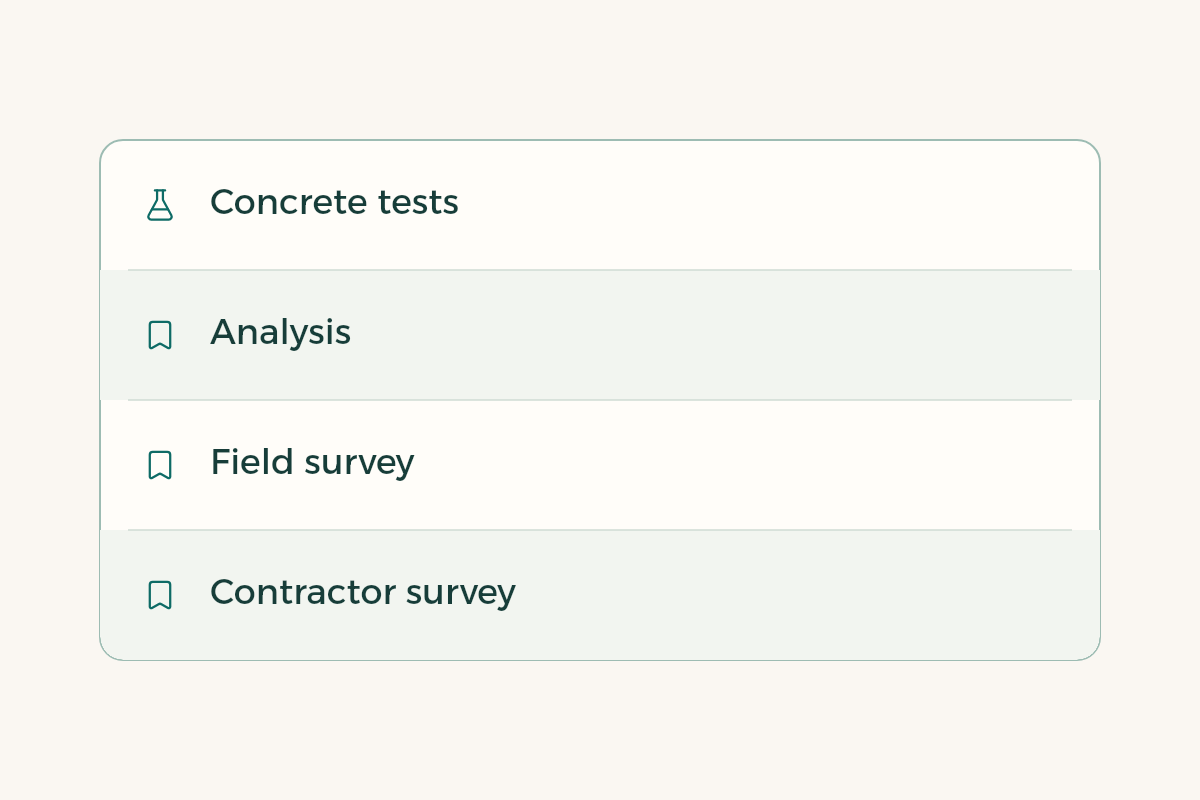
Treat this table as a thinking aid. The department, the lab and the site owner decide the real procedure, so if a row is unclear, ask before you start.
What are good civil engineering graduation project ideas?
Ideas that stay close to reality: replacing part of the aggregate with recycled material and testing strength, comparing two structural layouts for a footbridge, analysing congestion at one junction in two peak hours, or checking how shading a car park changes asphalt surface temperature. Pick what you can measure or calculate within one semester.
To see what the major covers and where it leads, read the guide to civil engineering as a major, and for narrowing a broad idea to a question see the graduation project ideas guide.
How much time do you really have before the deadline?
Count backwards. Start at the defence date, subtract two weeks for writing and a week for analysis, then curing days if your project is lab-based, then days when the machine is busy. What remains is your real time, and it is often less than you assumed. The question then narrows itself: one test age instead of three, one replacement ratio instead of four.
Simple statistics are enough in many projects, and a tidy spreadsheet does the job. Read Excel for students and the data analysis roadmap before testing begins.
How do you write the introduction to a civil engineering project?
Begin with the problem you saw in two sentences, then what others have done, then your question. Keep it to one page and skip the history of construction. The guide to the research introduction has the details, and writing the methodology section shows how to describe the mix and the machine so another student could repeat your work.
What questions will the committee ask you?
Four questions keep returning in civil defences. First: why this material or site? The answer is the story of the problem you saw. Second: which code did you rely on and why? The answer is the code your supervisor confirmed. Third: how do you know your reading is right? The answer is the machine calibration or a comparison with a reference specimen. Fourth: what are the limits of your result? The answer is a sentence saying it applies to one mix and one age.
Write the four answers on a card a week before the defence and rehearse with a classmate. Prepare for a fifth question too: what would you change if you did it again? An honest answer raises your mark. You might say you would have cast the specimens a month earlier. For slides, read the guide to graduation project defence slides.