By the tiswa editorial team, from the official sources listed at the end of this guide. How we write our guides
You told your supervisor you want to write about “e-commerce”. They nodded, then asked: which issue exactly? Contracts? Evidence? Consumer protection? Liability? Under which regulation, and at which stage? You went quiet because the honest answer was “I have not decided”. That is no flaw in your choice. A wide topic is where most students start. The mistake is staying there.
How do you narrow a law graduation project to a researchable issue?
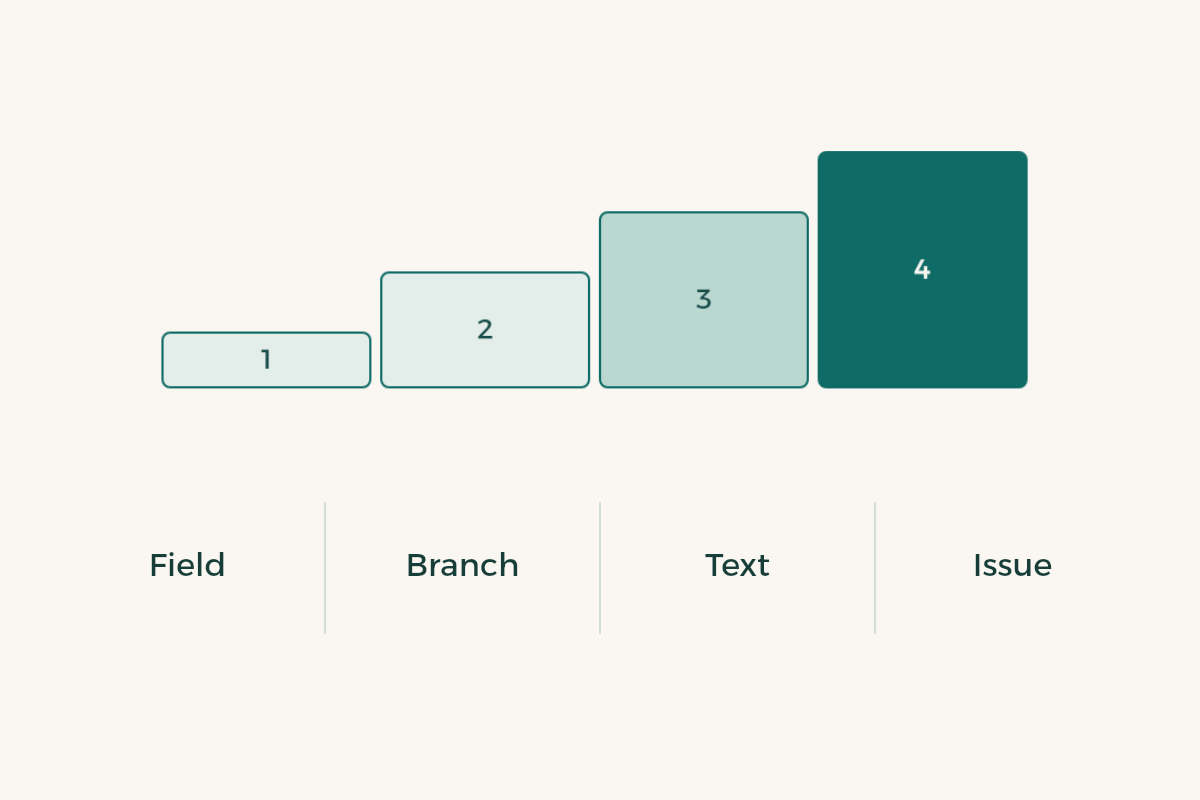
Use a four-step ladder. First the field: contracts, say. Second the branch: service contracts. Third the text: an article or group of articles in a named regulation. Fourth the issue: what does the text say about one specific situation, and is it enough? If you are still on step one, you have no project yet.
| Step | Example, for illustration | Verdict |
|---|---|---|
| General field | Consumer rights | Too wide to be a title |
| Branch | Misleading commercial advertising | Closer, still needs a text |
| Text | The articles that govern that issue in one named regulation | Can be read in full |
| Issue | Does the text cover advertising on social media platforms? | This is a research question |
The table is an illustration of the narrowing method and says nothing about what any regulation provides. When you reach the issue, write your question as one sentence ending in a question mark. Your supervisor can then tell you whether the answer needs a project or an essay.
Which method should you choose: analytical, comparative or applied?
The method decides what you read and what you write. Choose it after the issue, not before, and ask your supervisor which your department accepts.
| Method | What you do | Where students slip |
|---|---|---|
| Analytical | Read the text, interpret it and discuss its gaps | They describe the text and never analyse it |
| Comparative | Compare two regulations, or one against an international standard | They compare with no stated criterion |
| Applied | Analyse rulings, facts or model contracts | They cannot find enough samples, or mix up the facts |
The comparative route tempts because it looks deep. It needs a second system read in its own language or in a trustworthy translation, and not every student has that time. Compare if you have the time and the sources, not because the title looks better.
Where do you find official sources for a law graduation project?
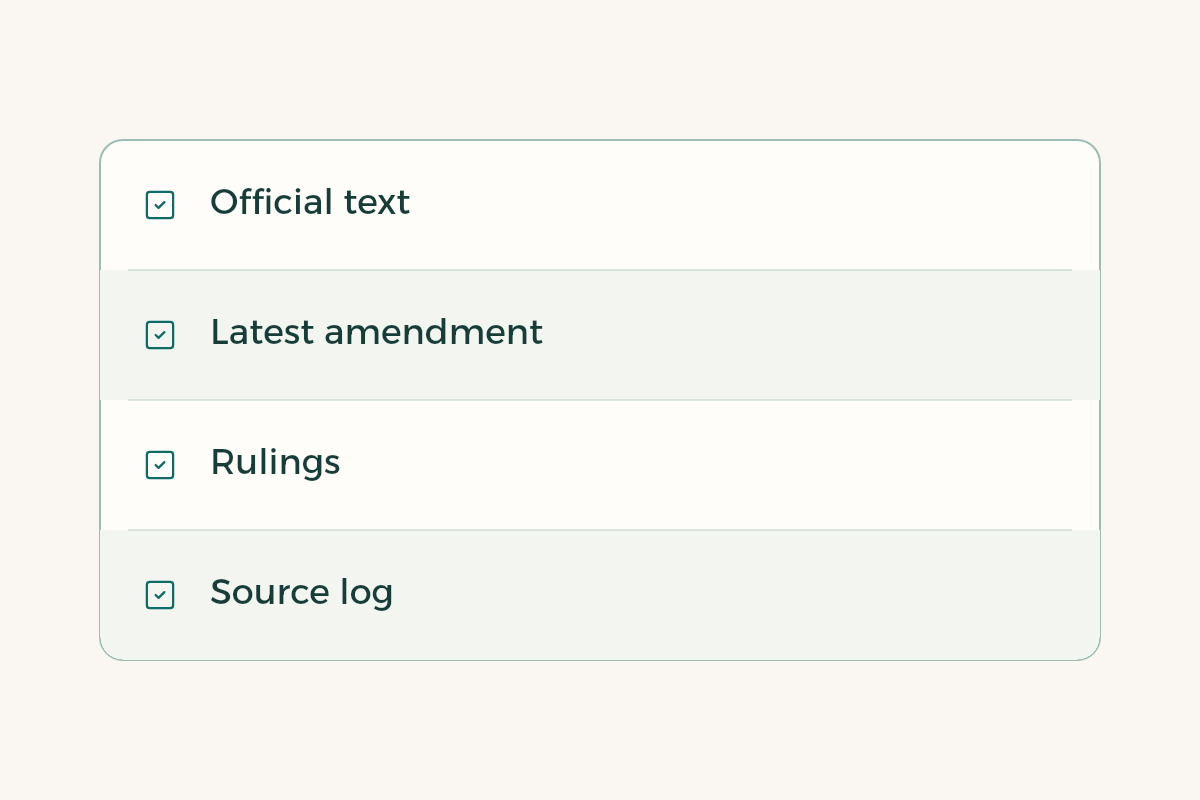
- Start with the official text
Ask your supervisor or the college library for the approved official source of the regulation. Do not rely on a site that quotes the text without saying which version.
- Check the latest amendment
Regulations change. Write in your notes the version or the amending decision you read, and you will be ready when the committee asks.
- Collect rulings if needed
For an applied project, ask your supervisor which sources students may use to read judgments. Never take a ruling from a social media post.
- Record every source
Log the regulation’s name, article, issue number, date and where you read it, in a source table from day one.
One practical point about Najiz: it is the Ministry of Justice platform,12 and it offers a directory of licensed lawyers and verification services. If you want to interview a lawyer for your project, verify the licence there before meeting, and do not publish their name without consent. Ask your supervisor about your university’s rules for interviews.
For academic references, the books and refereed articles that explain the text, open the Saudi Digital Library first, then Google Scholar. Search the regulation’s name together with the issue. If you find only two articles, your topic may be narrower than it needs to be, or it may be an opening. Ask your supervisor which.
How do you divide your term between the stages of a law project?
This is a sample plan; adjust it to your department’s deadline. Weeks one and two are for the issue and method, ending in a line your supervisor approves. Weeks three to six are for reading the text and the references and logging them in a table. Weeks seven to eleven are for writing the analysis. Weeks twelve and thirteen cover language review and citation. Week fourteen is for printing and preparing the viva. Anyone who starts writing before week seven usually rewrites.
Add one spare week on top. A supervisor may take two weeks to answer once, and a printed copy may need reprinting. A student with a spare week does not panic at the first delay.
Can a law graduation project be a field study or a survey?
At some departments yes, and the question must still be legal at its core. A survey on “what people think about contracts” is not enough. A survey showing how contracting parties actually treat one clause, followed by legal analysis, may be. Ask your supervisor, and never collect personal data without consent.
Social and economic figures help in the introduction. The General Authority for Statistics publishes labour market, social and business statistics that can give your issue some background.3 Do not let numbers stand in for legal analysis.
How do you state your position without writing a fatwa?
Do not write “the ruling is X”. Write: “Article so-and-so shows that the position is X, the gap appears in case Y, and I propose an amendment worded like this”. That sentence shows what the text says and then your view of it, with its reasons. It is stronger in a viva because it shows how you got there.
A frequent mistake is copying whole articles into the theory chapter to fatten the page count. The committee knows the text. Say what you need and refer to the article. Read the plagiarism guide and the APA citation guide, and check with your supervisor which style your department uses, since law faculties often prefer their own.
Which Tiswa guides help before you start?
Start with the law major guide for the fields, then the AI guide for law students to see what tools suit legal research and what do not. For the proposal use the research proposal guide and the literature review guide. The graduation project ideas guide has a law section with wider directions.
For printing, binding and stationery in submission season, look at the student discounts in Saudi Arabia and browse the student discount index to see where you are asked to prove student status.