By the tiswa editorial team, from the official sources listed at the end of this guide. How we write our guides
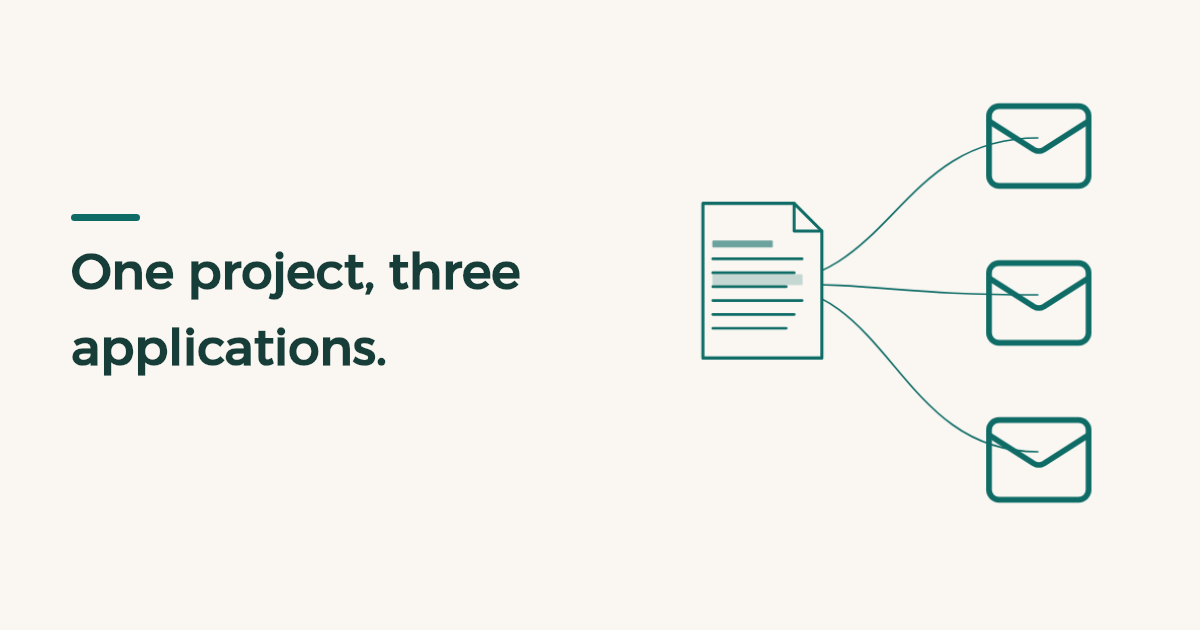
You have one good project: a database for an imaginary hospital pharmacy, with tables for drugs, stock and dispensing orders. You send the same application to three places, a hospital, a health-software company and a quality department. One replies. The project is probably not the reason. The line you wrote fits only one of the three.
How do you apply for an internship in Saudi Arabia in health informatics?
Start with your faculty’s co-op unit, which sets accepted employers, the letter format and the application window. Then look at the official careers pages of the organisations you care about. We list no employers or criteria here, because the current requirement lives in each posting and in your faculty’s rules, and it can change. A degree in demand does not mean a vacancy exists today, so check the posting.
For the general shape of a written application, Purdue OWL’s job-search section covers résumé layout and cover letters.1 For an Arabic training request letter see co-op training request letter in Arabic.
How do you tailor a project line to an internship posting?
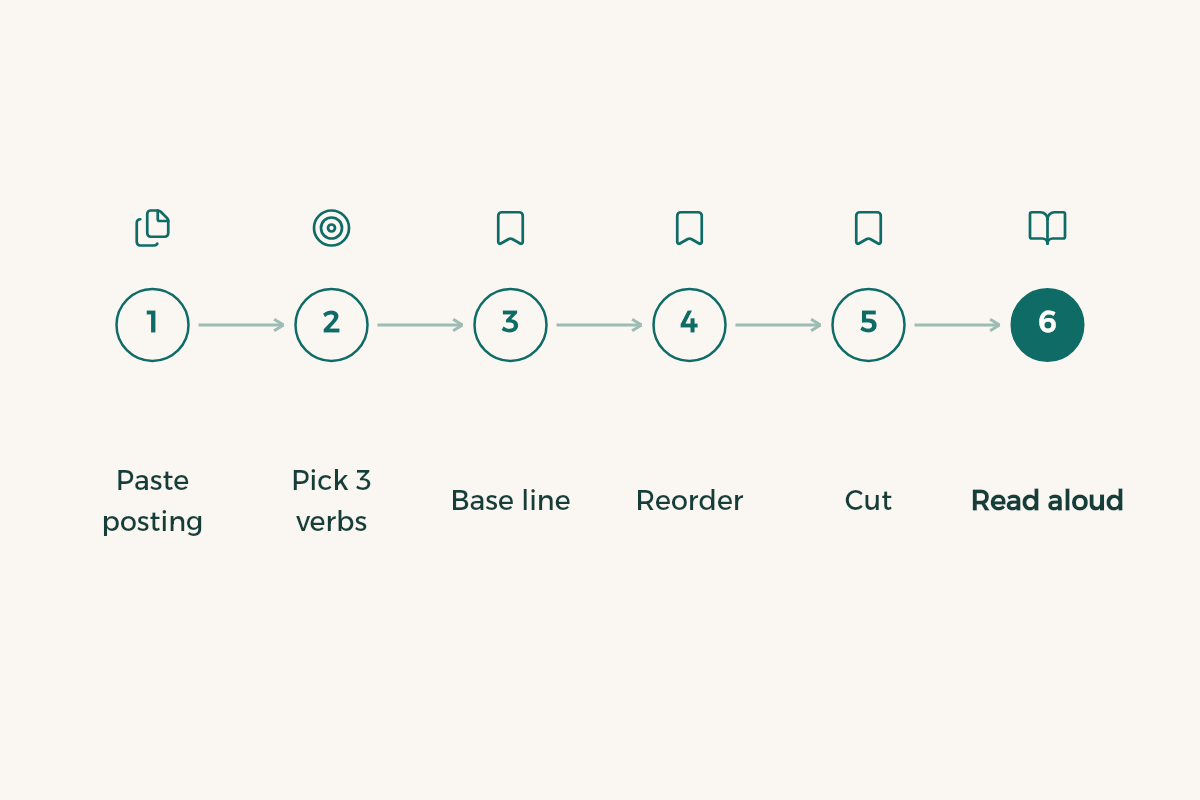
- Paste the posting
Copy it into a file. Underline every verb: analyses, documents, supports, cleans.
- Pick three verbs
The most repeated ones, or the ones closest to what you actually did.
- Write the base line
Verb, what you did, one number. Example: “Built a six-table database for pharmacy stock.”
- Reorder, do not rewrite facts
Lead with what the posting wants: documentation first for quality, design first for a software team.
- Cut what is irrelevant
A bullet about designing the logo has no place here.
- Read it aloud
If you cannot defend a word in the line, delete it.
What do three versions of one project look like?
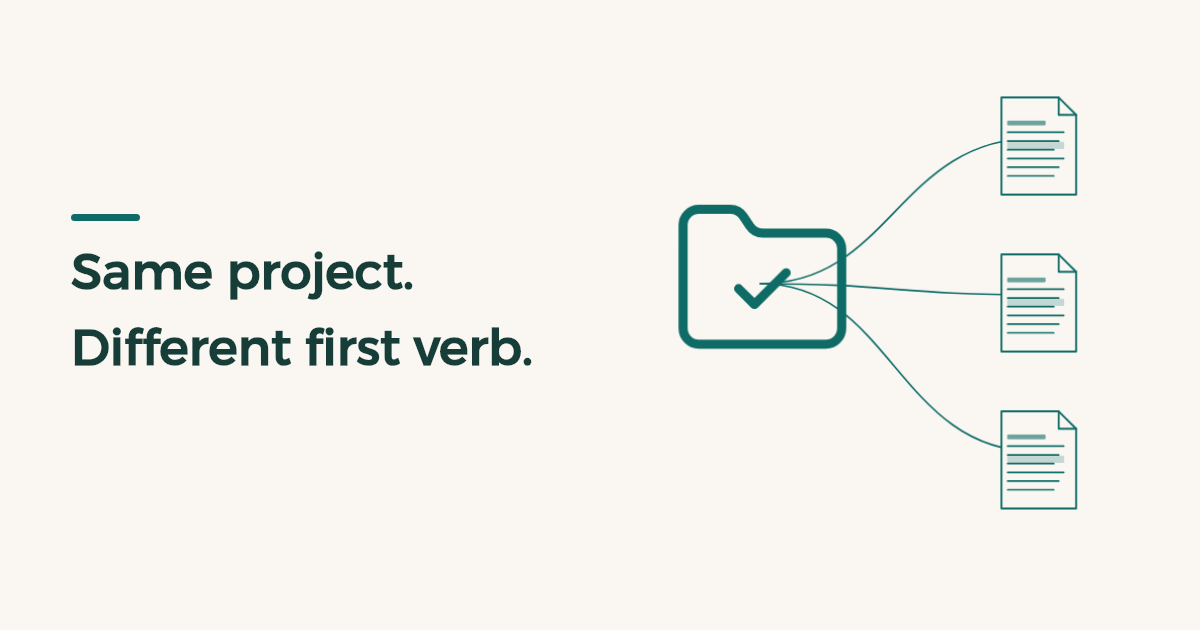
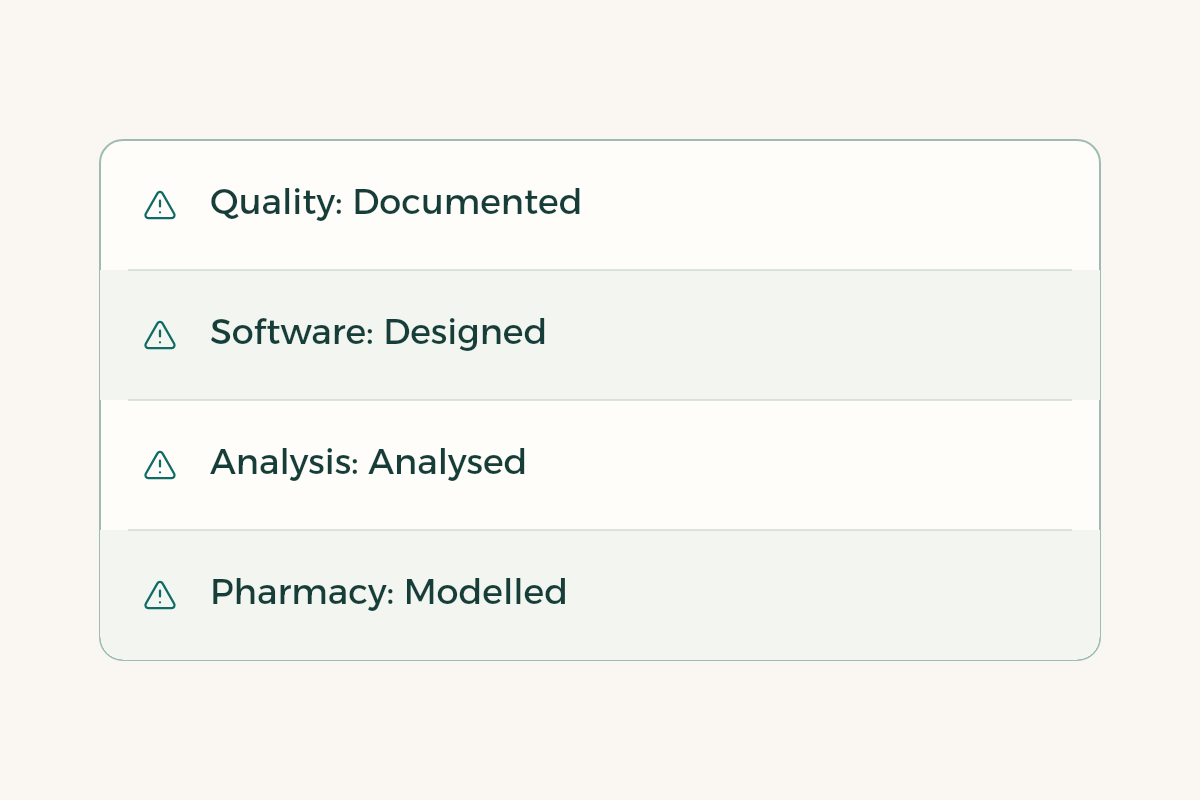
This is an illustration using the same pharmacy-stock project. The project is fixed; the first verb moves. Do not copy these lines, they exist to teach the method.
| Employer type | Project line | What it stresses |
|---|---|---|
| Hospital quality department | Documented stock-data conflicts and sorted 4 types of error. | Documentation, data quality |
| Health-software company | Designed a six-table schema and wrote stock queries. | Design, querying |
| Data analysis unit | Analysed the stock-out rate in a synthetic sample and built a three-indicator dashboard. | Analysis, reporting |
| Hospital pharmacy | Modelled a dispensing sheet that blocks duplicate orders and checked the stock log. | Workflow understanding |
Notice that the 4, 6 and 3 all come from the same project, and no line states a number the interviewer could not find in your file. That is the honesty test. If you have no number, leave the line without one rather than inventing it.
What goes in the short cover note?
Four sentences are enough for an internship. One: why this organisation, taken from its own page and not from a generic template. Two: your project, in the tailored version. Three: what you hope to learn there. Four: when you can interview. Skip general praise; it is the first thing a reader ignores.
If the project touches patient data, say in one line that the data is synthetic or from a course, and know that the Personal Data Protection Law is published in full for you to read.3 Do not attach data from a real institution. If you mention a standard such as HL7 FHIR, say you have read about it, not that you have implemented it.2
Here is a four-sentence note as an illustration, not for copying: “I am applying to the quality unit because your page mentions medication data review, which is close to what I worked on. In a course project I documented four types of stock error in synthetic data. I want to learn how those errors are reviewed in real work. I can interview any day except exam days.” It is short and leans on one sentence from their own page, which is enough.
What are the common mistakes in a health informatics internship application?
First, sending the same generic version to everyone. Second, listing many tools with no context: Python, SQL and Power BI in one line, with no hint of where you used them. Third, claiming skills you have not practised because the posting asks for them; the interviewer will ask about them in the first minute. Fourth, ignoring privacy in attachments, such as a course screenshot that shows real names of classmates or patients. Fifth, lateness: applications that arrive in the final week are read in a hurry.
How do you prepare for an internship interview in Saudi Arabia after applying?
If a reply arrives, the next step is an interview. Write two likely questions about the project and read health informatics internship interview questions to practise the two-minute version. Prepare your work sample too; the idea is in health informatics internship portfolio. If nothing arrives after a week to ten days, send a short follow-up; the template is in co-op application follow-up.
Leave room for correction. Ask a supervisor from your faculty or a classmate to read the application before it goes out, and change any sentence they stumble over. Check it against CV for students so the CV does not contradict the note; a mismatch between documents draws more attention than a typo.
If you apply to several organisations, keep a simple tracker: organisation, send date, version sent, reply. When someone phones you, you need to remember which line they read. Five columns in a spreadsheet are enough, and they prevent confusion when replies arrive together.