By the tiswa editorial team, from the official sources listed at the end of this guide. How we write our guides
An operations supervisor opens your file and finds no aircraft photograph and no company logo. There is a one-page table titled “One aircraft turnaround between two flights: what slips first?” She reads for three minutes and then asks about a single row. That is a portfolio that works. A student who has never stood on an apron can make it, because the point is how you think, not where you stood.
What is a portfolio for an aviation operations internship?
It is a short document, one or two pages, with a sample or two that prove an operational skill: scheduling, tracking delays and faults, writing a checklist, or analysing public movement data. It does not need professional design, only clarity. The General Authority of Civil Aviation regulates the sector in the Kingdom, so if your sample uses a term or a procedure, check what it publishes rather than a forum.1 For the general portfolio method, see the guide to building a portfolio.
How do you build a sample from a university project?
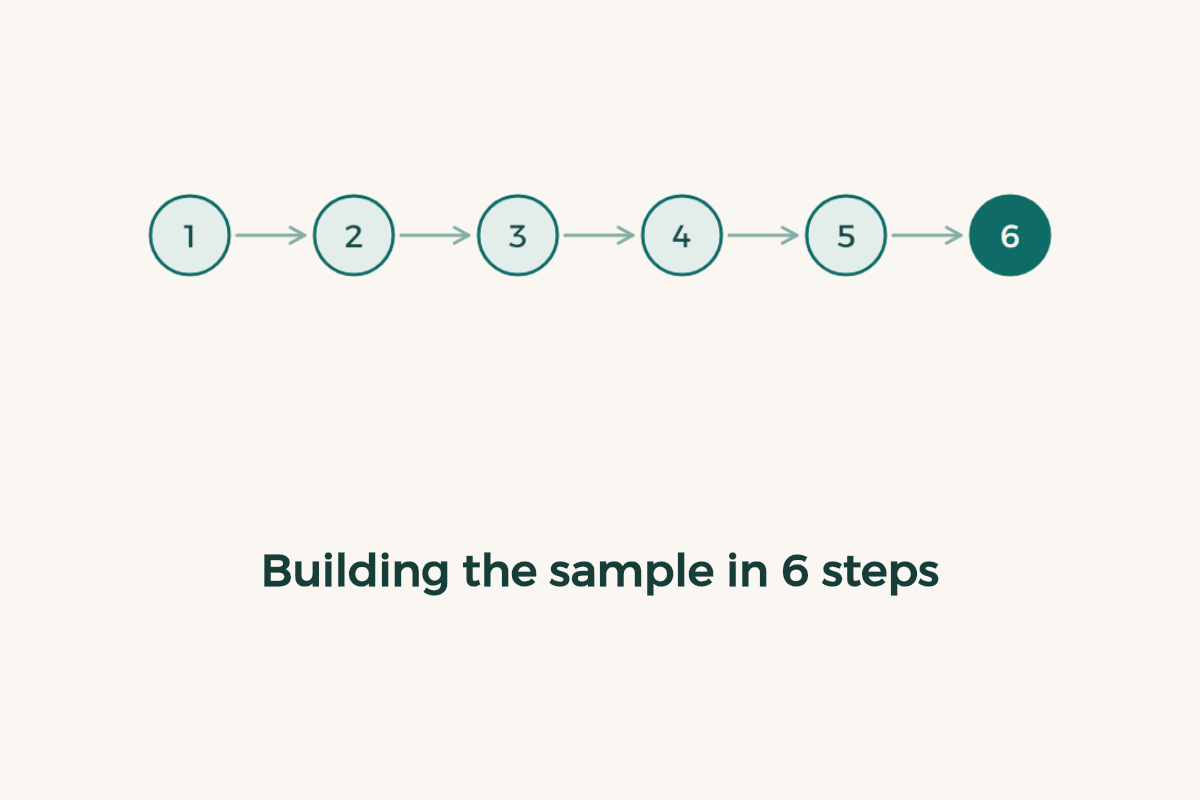
- Choose a related course
Scheduling, operations research, statistics or project management. Pick a project with tasks that follow one another.
- Make the data invented
Change names and numbers. Use a made-up flight between two cities and times you choose, and say at the top that the data is for teaching.
- Draw the timeline
One task per row, its length in minutes, and what it waits for. A plain spreadsheet is enough.
- Mark the critical path
Which task, if late, delays everything? Colour it and write one line on why.
- Test a disruption
What happens if the crew arrives ten minutes late? Add a small table with the effect.
- Write your assumptions
Every number you chose yourself goes on the page. Readers trust the person who says what was assumed.
The numbers in these steps are illustrative. The example below shows what the result can look like.
| Task (invented example) | Minutes | Starts after | Critical? |
|---|---|---|---|
| Open doors and deplane | 12 | Arrival | Yes |
| Unload bags | 18 | Doors open | No |
| Clean the cabin | 15 | Deplaning | No |
| Refuel | 20 | Deplaning | Yes |
| Load bags | 20 | Refuel | Yes |
| Board passengers | 15 | Cleaning | Yes |
What do you remove to protect confidentiality and privacy?
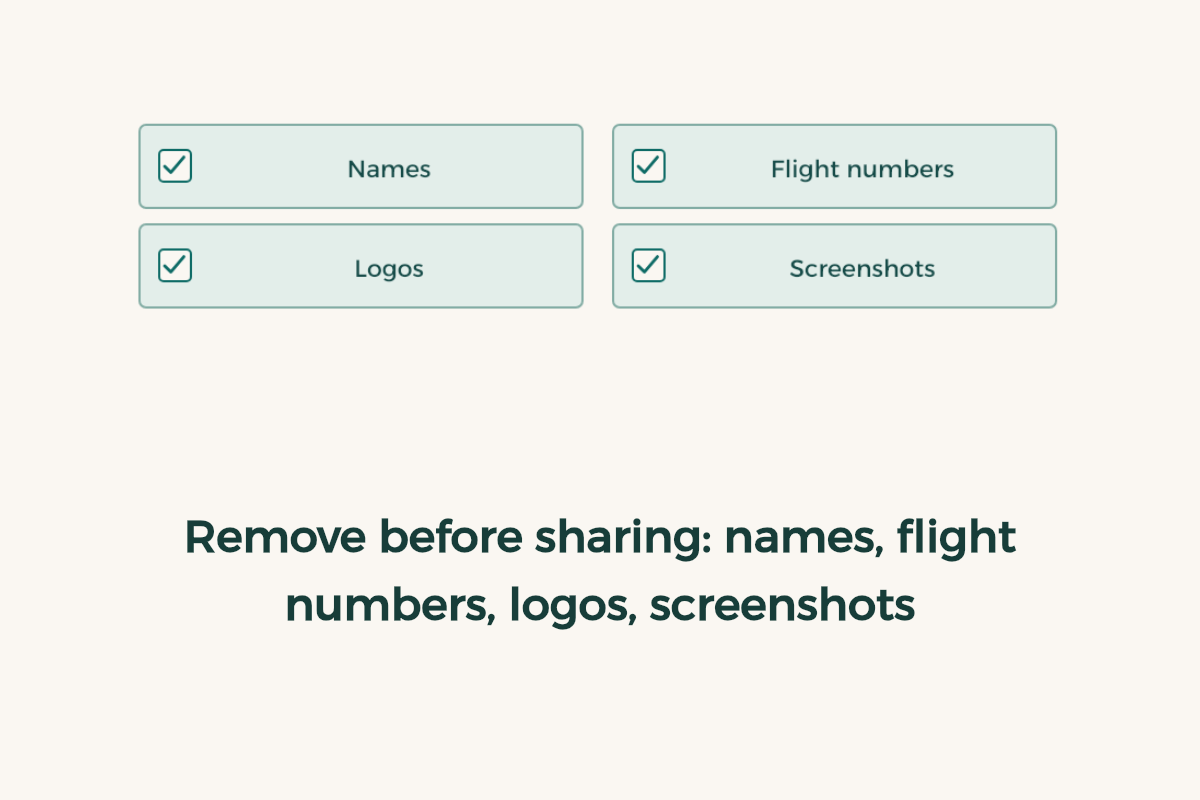
Remove passenger and employee names, real flight numbers, any internal form or logo, and every screenshot from a work system. If you trained somewhere before, do not show what you made there without written permission, even if you made it yourself. Safer still, rebuild the idea with new invented data instead of moving the original. A supervisor asks this of you because the mistake is not weak skill but broken trust. In your CV you can say you prepared a schedule during an earlier placement without detail, and then show the invented sample.
When you share the file online, keep the link private and send it to the people you apply to. There is no reason to publish it openly.
How do you show it in a CV and an interview?
Put one line under “Projects”: “Invented aircraft turnaround timeline with critical path analysis.” For wording, see the guide to a CV for students. In the interview do not read the file out. Tell one decision instead: “I put refuelling on the critical path because it cannot start before passengers leave.” Then let the supervisor ask. Update your LinkedIn page with the steps in the guide to a LinkedIn internship profile.
If the employer asks for a report after the placement, reuse your sample to organise it and follow the guide to the coop training report. To find where to apply, start with your college’s training office and then the employers’ official pages; a circulating post is not an opening until the employer publishes it.3
Can I do an internship in Saudi Arabia with only a university portfolio?
Yes, but the portfolio does not replace an application. It supports one. Apply through your training office or the employer’s own page, attach the portfolio only if the application allows it, and keep your CV to a single page. If an employer states no portfolio is needed, do not send one; follow the instructions exactly.
Which mistakes weaken portfolios like this?
The first is filling the file with airport and aircraft photos, so the skill disappears. The second is showing figures that look real without saying they are invented, so a reader assumes they came from an employer and might be confidential. The third is copying a chart template off the internet and failing at the first question about one of its rows. The fourth is ignoring the case where the plan fails: every good schedule says what happens during a disruption. The fifth is length. Two pages are enough, with an appendix for anyone who wants detail.
You can also learn the shape of international operating terms from the International Civil Aviation Organization, which serves as the reference for standards between states.2 Do not claim your sample matches one employer’s procedure; each has its own way.