By the tiswa editorial team, from the official sources listed at the end of this guide. How we write our guides
Picture an accounting student who hands in a portfolio with a spreadsheet of real customers and their balances, because a supervisor at a summer placement let them “practise on it”. The work looks excellent. It can never be shown, not in a file, not in an interview, not behind a link. That is the real difficulty with a fintech portfolio: nearly everything you learn on the job is protected, so what you can show is what you built yourself.
What is a fintech internship portfolio?
It is one or two pages, or a small site, showing one to three pieces of work that reveal how you handle numbers, data and financial products. Nobody expects a banking system from a student. A reader wants to see that you can name a problem, build a small solution, explain your choices and say where your solution stops. The US employer association NACE lists critical thinking, problem solving, communication and technology among its career readiness competencies.1 A good portfolio shows at least two of them on one page.
This differs from a general portfolio that covers your whole major. A fintech portfolio is narrower and serves a single reader: someone deciding whether you understand money and data together.
Which piece belongs in a fintech portfolio?
Pick something that sits where two things meet: a clear financial question and data you can make yourself. Three examples, all of them examples rather than real work:
| Piece | Question it answers | What it shows |
|---|---|---|
| Financing instalment calculator | How much does the monthly payment change if the term grows? | Writing and checking a formula |
| Expense categoriser from a CSV | Where does a student’s monthly allowance go? | Cleaning and labelling data |
| Fee comparison sheet for payment services | Which service costs least for a given transfer size? | Comparing on stated criteria |
| Unusual-transaction flagger | Which transactions deserve a second look? | Simple rules and clear logic |
You need no more than a tool you already know: a spreadsheet, Python or a free analysis app. What matters is that your work can be rerun. Anyone opening it should see the steps, not only a polished screenshot.
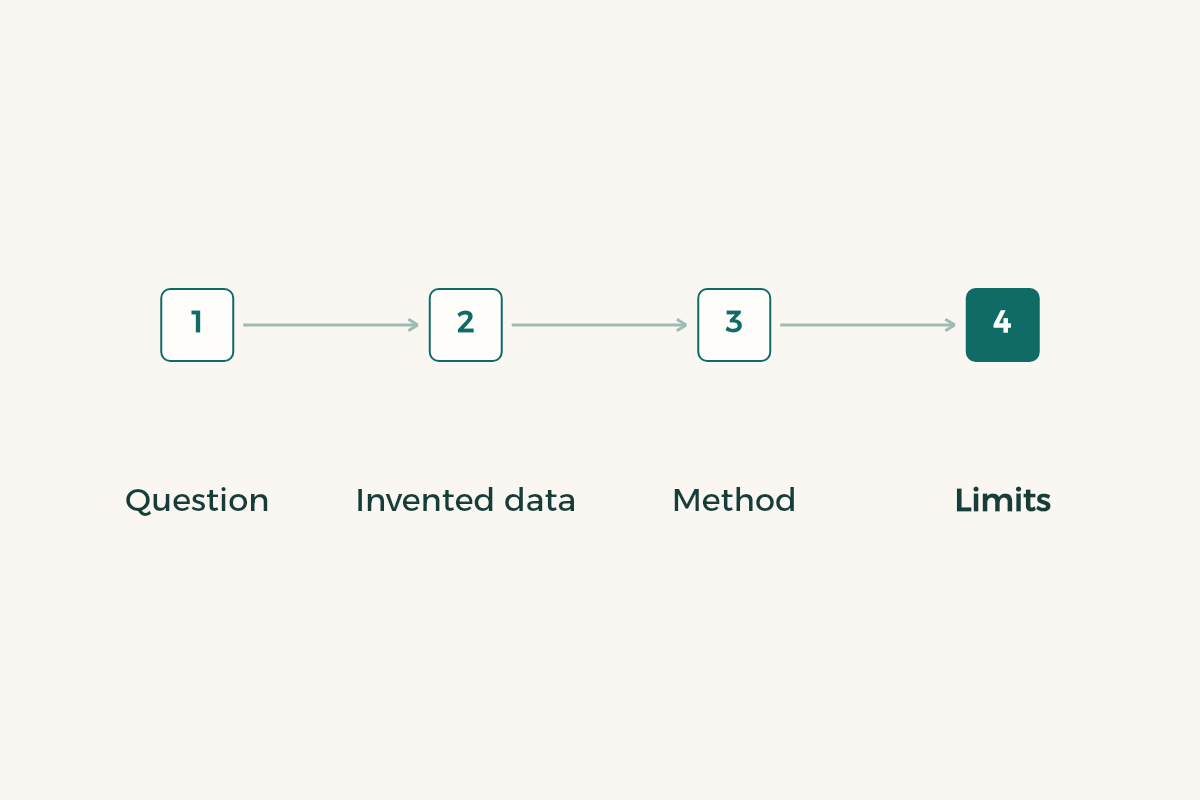
How do you build a piece on invented data?
- Write the question in one sentence
“How much does the monthly payment rise if I extend the term by a year?” If you need a paragraph to explain the question, it is too big.
- Invent the data and say so
Generate two hundred rows with realistic ranges and put a line at the top: sample data, invented, not about any person or firm.
- Solve it with the simplest tool
Try two columns and a pivot table before reaching for machine learning. A simple answer you can explain beats a complex one you cannot defend.
- Check one result by hand
Work one row out yourself and compare it with what your sheet produced. Say on the page that you did.
- State the limits
What does the piece leave out? Perhaps taxes or exceptions. Admitting limits raises trust.
How do you write the piece up as a case study?
Four sections are enough. The problem in two sentences. The method in five to eight sentences with one image of the table or chart. The result, using the numbers your invented data produced, and clearly marked as such. Then the limits. Put one line at the top: your role, the tool and how long it took. Purdue’s writing lab teaches that a good document is shaped for a specific reader and arranged so it can be scanned quickly.2 Your portfolio is no exception, since whoever opens it will skim for a minute before deciding to read.
Write in direct verbs: “I calculated”, “I sorted”, “I compared”. Drop the adjectives. “Analysed 200 sample rows and grouped them into six categories” beats “an innovative, professional project”. The same wording helps in the projects section of your student CV.
How do you get an internship in Saudi Arabia without showing confidential work?
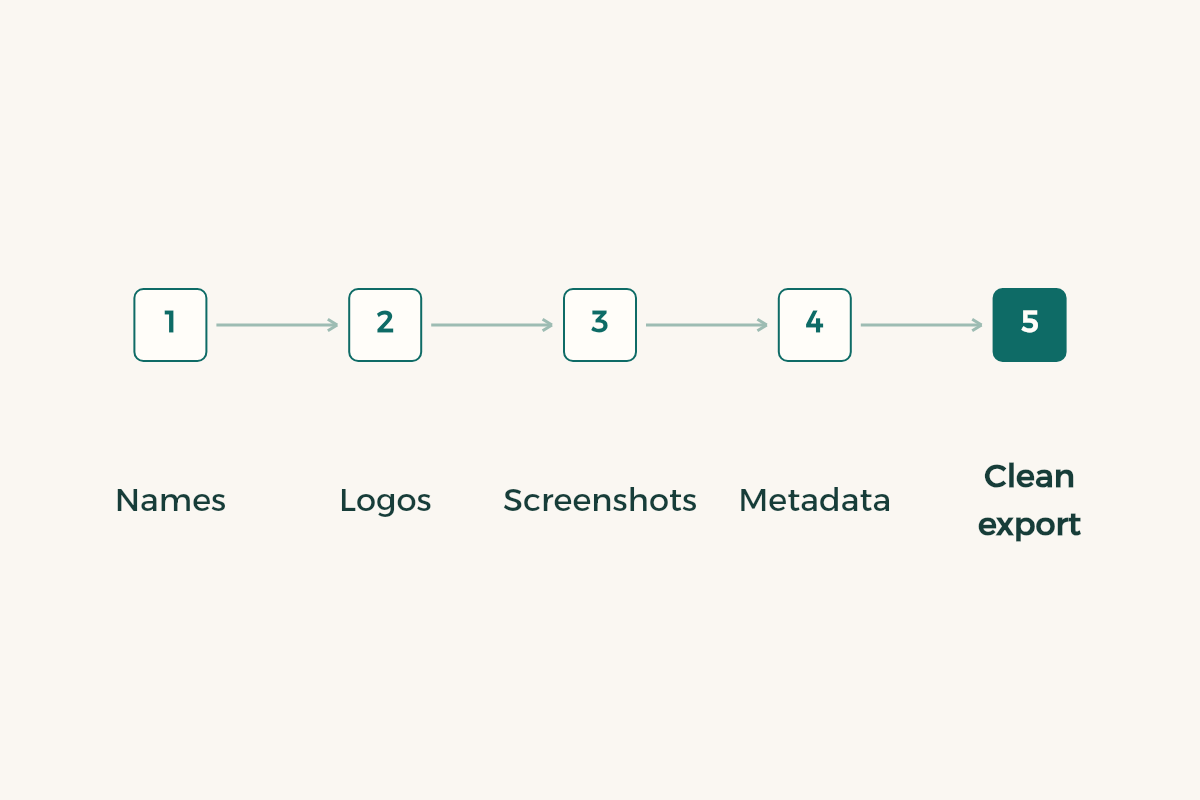
Before publishing, open each page and ask whether anything points to a person or an organisation. The checks we use:
| Check | Remove or replace with |
|---|---|
| Client names, account numbers, phone numbers | Fully invented data |
| Logos of a firm you trained at, or names of its systems | A general description: “an internal booking system” |
| Screenshots of work tools | A diagram you drew from scratch |
| Real figures about a firm’s size or revenue | Ranges from your own scenario, marked as hypothetical |
| Metadata inside files and images | Export a fresh, clean copy |
If you are unsure, ask your supervisor one question: “May I show this?” The answer is yes or no, and there is nothing to guess. The organisation’s rules decide, not your judgment. To prepare for the interview question about your project, read how to explain your project in an interview.
How do you apply for an internship in Saudi Arabia with this portfolio?
A two-page PDF is enough for applications, and a public page is enough if you want more. Keep the code or spreadsheet somewhere it can be opened, and put a single link in your CV. If your major is finance, check what employers ask for in finance training skills, and put the same link on your LinkedIn profile.
Test the link from a phone without logging in. If it asks for an account, nobody will open it. And rename the file so it carries your name and the piece, not “final2”.