By the tiswa editorial team, from the official sources listed at the end of this guide. How we write our guides
A first-year student at a Riyadh college finishes semester four and, in the last week, decides to move to a different major. He opens the calendar and finds the transfer window has not opened yet, and that he must register next semester’s schedule in his current college or lose everything. The student is an example, but the traps are real, and each is written on the Deanship of Admission and Registration’s internal transfer page.
What does internal transfer mean at Imam University?
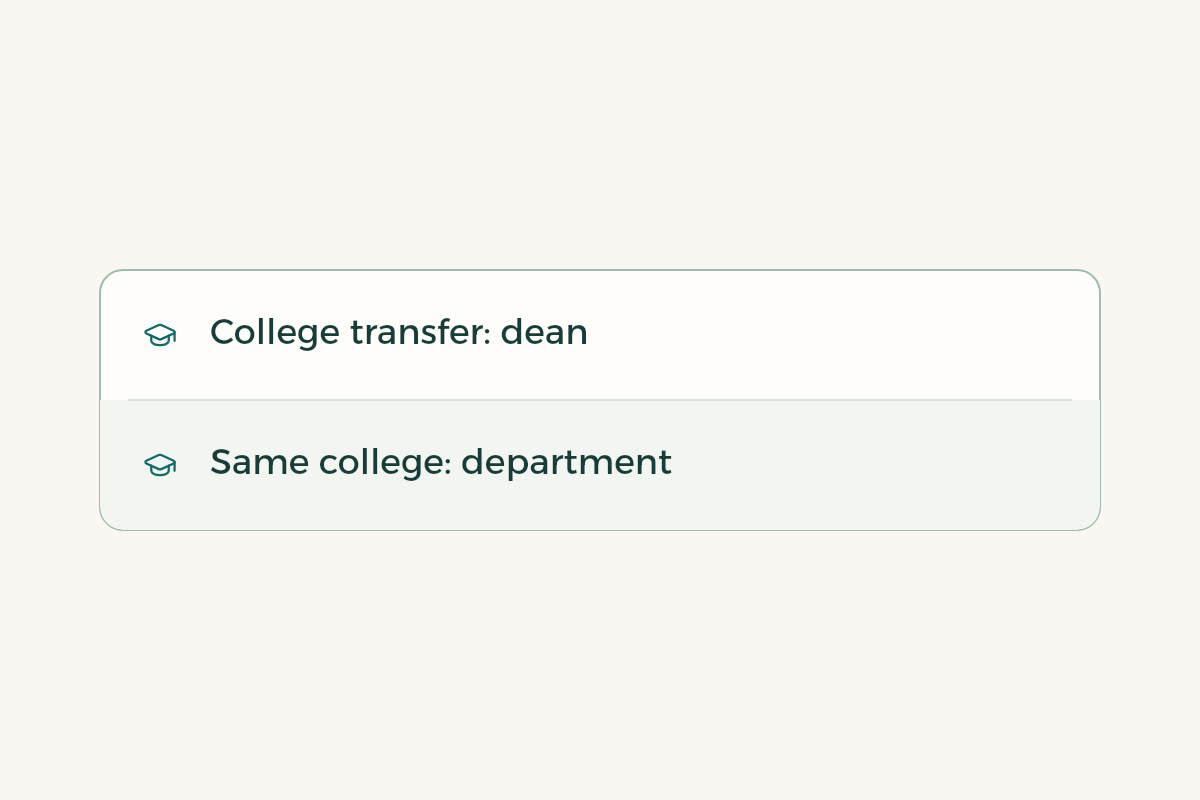
It is a move between the university’s colleges, or between programmes in one college, without leaving the university. There are two routes. Moving between colleges needs the approval of the dean of the receiving college, and moving between programmes within one college needs the receiving department’s approval.1 Students arriving from other universities use a separate external transfer announcement, and for that the guide is transferring between universities.
What are the internal transfer conditions at Imam University?
The Deanship of Admission and Registration lists the conditions on its internal transfer page and says they may be updated when needed, so read the page itself before you rely on this summary.1
| Condition | As the deanship states it |
|---|---|
| Minimum | One semester of your regular study period must have passed |
| Maximum | No request after five semesters for a bachelor’s, or three for a diploma |
| Number of times | You must not have transferred before during your university study |
| Warnings | You must not be academically dismissed for three warnings |
| Approval | The dean of the receiving college, or the receiving department within a college |
| Application period | The period the academic calendar sets for transfers between colleges |
| How to apply | Student Self Service on the university portal |
The deanship adds a line many students miss: submitting a request does not mean approval or that the conditions are met, and you must register your schedule in your current college until a decision arrives.1 If you skip that and are then refused, you may end up with no timetable.
Does each college have its own conditions?
Yes, and the deanship says so. One example from its page: the College of Languages and Translation requires a score of at least 60 on the STEP English test. Another from the College of Engineering: transfer into it from other science colleges requires a cumulative GPA of at least 3.75 out of 5 and completion of 75% of the credit hours required for engineering graduation, around 102 hours.2
That explains why every friend gives you a different answer. A friend who moved into a college with one condition does not stand in for you if your target has three. Ask about the conditions of the college you want, not about someone else’s experience. To weigh two majors against each other before you decide, read how to choose a major.
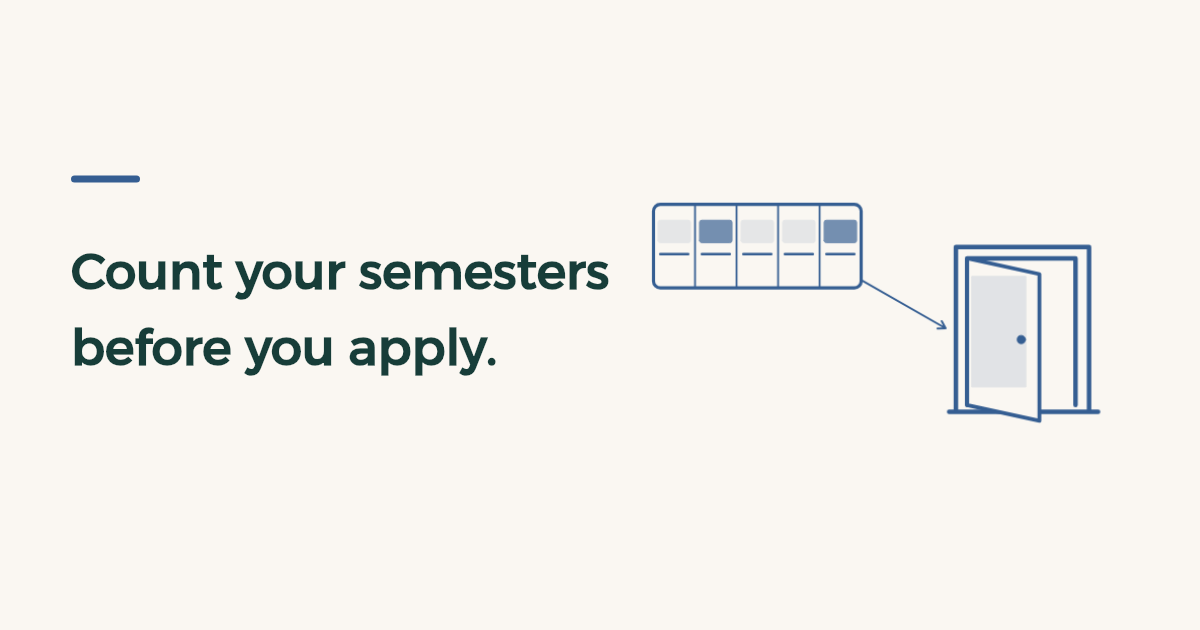
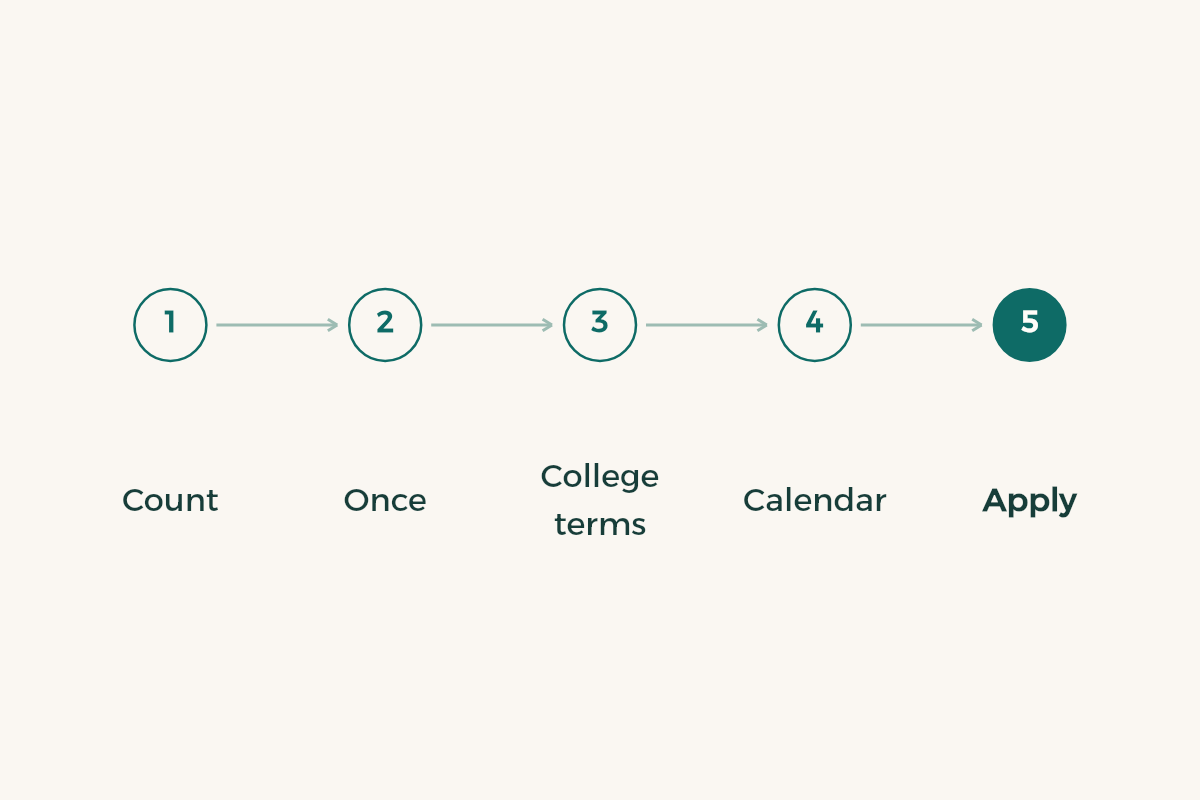
- Count your semesters
Finish at least one and stay within five for a bachelor’s. A summer term or a semester you withdrew from needs a question to the deanship.
- Confirm you have not transferred before
You get one transfer. If you have used it, an ordinary request will not be accepted.
- Read the target college’s conditions
Check its admission conditions, from language scores to credit hour percentages, against your record.
- Watch the academic calendar
The window is fixed. Set a reminder a week before it opens.
- Apply in Student Self Service and register your schedule
Send the request, then register the semester in your current college as if nothing had happened.
When does the door actually close?
In three cases. First, when you finish five semesters of a bachelor’s: the window closes even if everything else is in order. Second, when you have already used your transfer. Third, when you are dismissed after three academic warnings, which needs separate handling; the deanship notes that a student who discontinued for the first time can ask to be re-enrolled before applying if the conditions are met.1
Do not forget what a transfer does to your GPA. The courses you took do not vanish, and you may need to repeat some in the new plan. Work out the effect with GPA calculation, and if the motive is a better GPA, read raising your GPA.
Take a second illustrative case. A student at a Riyadh college has finished three semesters with an average GPA and wants a programme in another college that sets no high GPA bar but needs the dean’s approval. Numbers alone will not carry it: the dean decides, and may ask why she wants the move and whether she can finish the plan in the time left. Prepare a written answer of three lines: why this programme, what you studied that supports the choice, and how many semesters you will need afterward. A tidy answer matters more than students expect, because a dean reads dozens of requests in the same window.
Finally, when the decision arrives, check your new schedule: register it as soon as it appears and review which courses were counted. If what was counted differs from what you expected, write to the department before the add and drop period ends, because changes get harder afterward.