By the tiswa editorial team, from the official sources listed at the end of this guide. How we write our guides
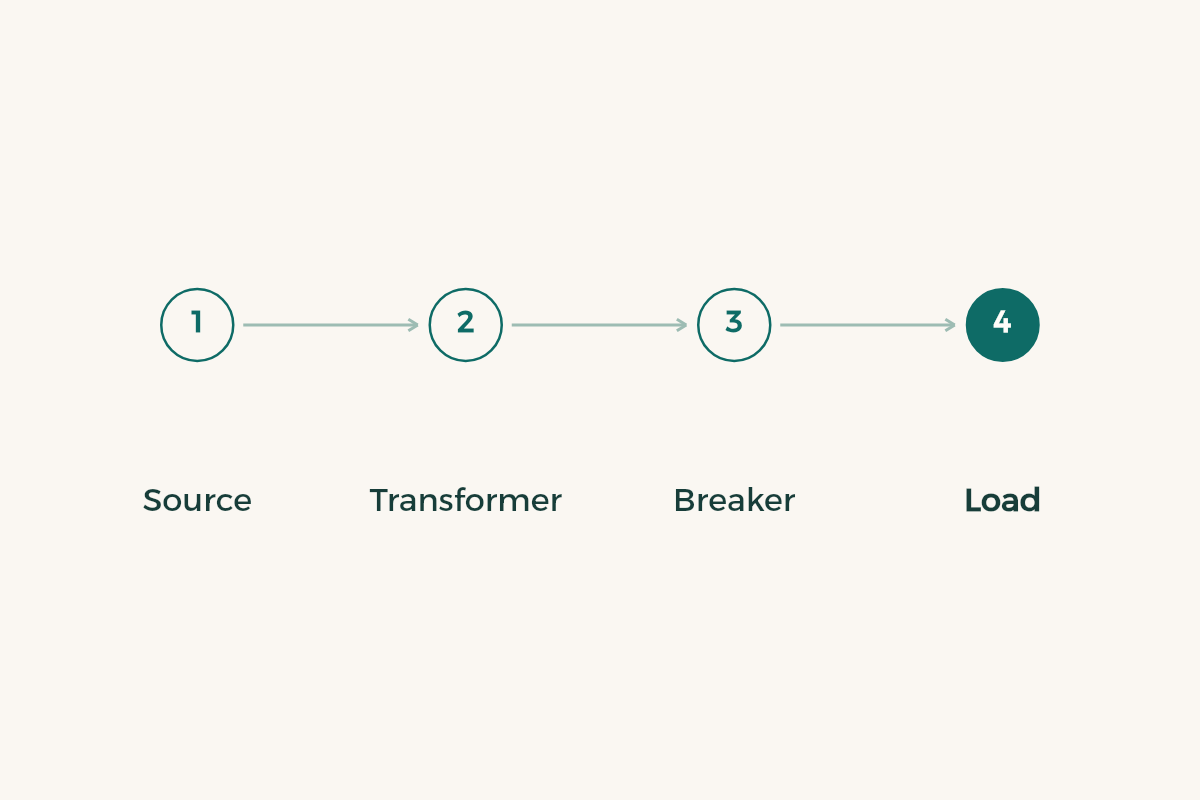
Picture a site supervisor on a project in Jubail Industrial City handing an intern the single-line diagram of a distribution board and asking them to point to where the supply comes in, where it branches and where the protection sits. An intern who knows a diagram reads from source to load starts answering. One who sees the symbols as a foreign language asks for time. That short question is what you are preparing for when you write a coop application.
What does an electrical engineering intern do on coop training?
It depends on the employer. At a power company or an electromechanical contractor you may check drawings and cable schedules, attend acceptance tests and collect readings. At a factory you may sit with the maintenance and control team. At a telecom company you may join the network team. Accreditation criteria such as ABET’s show that engineering programmes are judged on outcomes covering design, experimentation, teamwork and communication, so tie your application to those outcomes.1 For rights, contracts and general rules, read the guide to coop training in Saudi Arabia.
Is there coop training at the electricity company?
The Saudi Electricity Company publishes information on jobs and programmes on its official site, so check it directly to see whether it announces a student programme, with what conditions and when.3 Do not rely on a social media post or a message from an unknown sender, especially one that asks for money or bank details. Beyond utilities, many employers need electrical engineers: contractors, maintenance firms, factories and consulting offices, each with its own recruitment page or a route through your college training unit.
How do you prove electrical skills before you apply?
- Read one single-line diagram
Take a diagram from a power systems course or a reference book, name the source, transformer, circuit breaker and loads, and write a line on what each does.
- Build a small simulation
A motor control circuit or a simple filter in a tool you know, with a screenshot and two lines on the result. Say it is a course exercise.
- Clean up a lab report
Reorder your best report: aim, equipment, method, readings in a table, experimental error, conclusion.
- Write your safety rules
Half a page on isolating a supply and proving it dead before any work. Someone who cannot do this will not be allowed near a panel.
- Practise with instruments
Use the multimeter and oscilloscope in your lab, and write what you measured and how you avoided error.
- Ask your college
The coop office knows minimum GPA, hours and approved sites. Assume nothing.
These examples are illustrative, and you should match them to your track: power, electronics, communications or control. For the interview in English, see the guide to job interviews in English.
Which skills do employers want from an electrical intern?
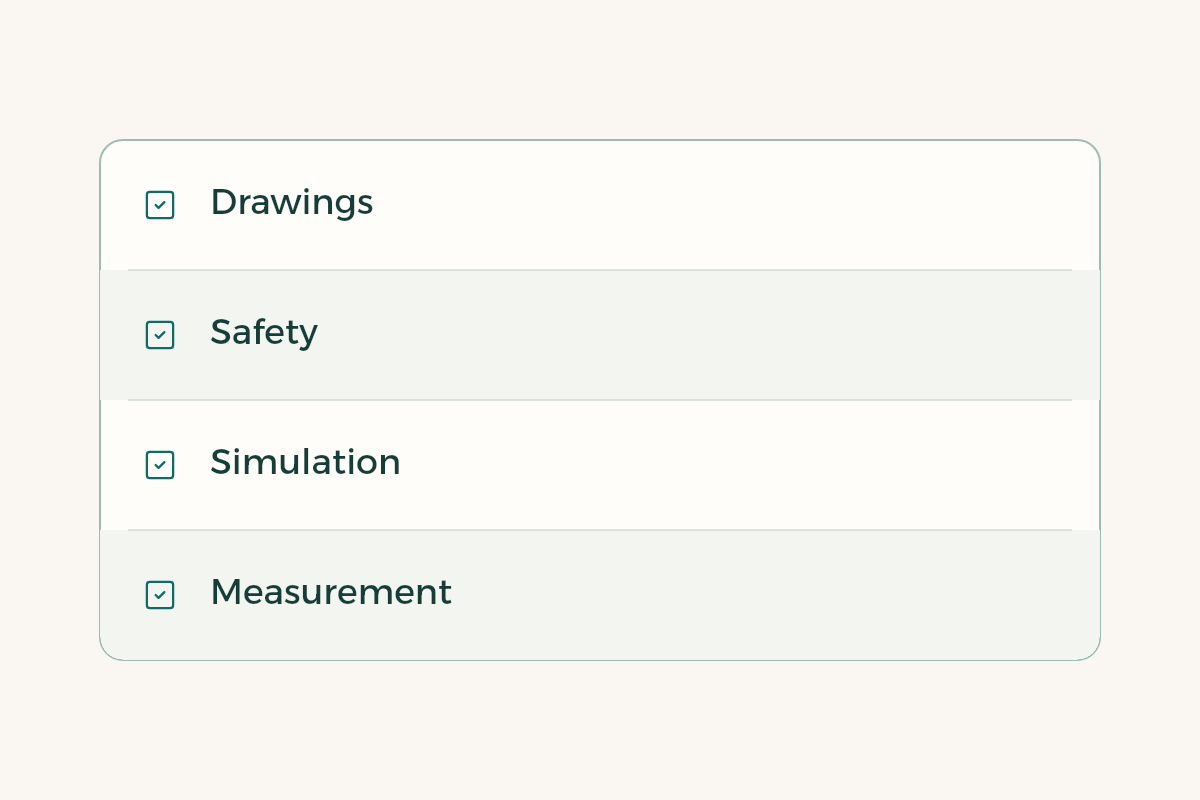
| Skill | How it shows in your application | What to review |
|---|---|---|
| Reading drawings | Explaining a single-line diagram | Power systems and drawing symbols |
| Electrical safety | Half a page on isolation and proving dead | Safety course |
| Simulation | A model in a known tool | Programming and simulation tools |
| Measurement | Readings in a table with error estimates | Circuits and measurement lab |
| Technical writing | A tidy lab report | Report writing |
| Teamwork | A time you settled a disagreement in a group project | Capstone or group course |
The Saudi Council of Engineers publishes registration and classification requirements for engineers in the Kingdom,2 and some employers ask about an intern’s plan to register after graduation.
Do not wait for an offer to build this evidence. Your campus lab, whether at KFUPM, King Saud University or King Abdulaziz University, has what you need: trainer boards, signal generators, meters. Book an extra hour each week and redo two experiments from last semester with more care, then record your results and your notes. In the summer you can follow a free course on power systems or simulation tools from a recognised platform, and name the course and what you finished in your CV. An applicant who arrives at an interview in Riyadh, Jubail or Yanbu with finished work looks more dependable.
What happens in the first week?
In the first days you attend safety induction, meet the team and look at the drawings they work from. Do not approach an electrical panel, open equipment or operate a breaker unless your supervisor is present and has agreed. If a colleague asks you to help with a job you do not know, check with your supervisor first. This is not excess caution, because an electrical mistake can hurt a person.
Each day, write down what you saw: a new symbol, an unfamiliar device, a procedure. That notebook becomes the raw material for your report, whose structure is in the guide to the coop training report. If you get to join an acceptance test or a measurement, record readings as they are and never round them.
How do you apply for coop training in electrical engineering?
Start with your college training department, then the university career fair, then the official pages of companies in energy, manufacturing and telecoms. Log each employer in a sheet with the date, the ad link and the reply. Send a one-page CV, and check your internship LinkedIn profile before you link it.
Also review your sub-field before applying. A power student applies to utilities and distribution, a control student to factories and automation, a communications student to network firms. If you are torn between tracks, read the guide to the electrical engineering major and talk to your academic adviser.
What mistakes weaken an electrical student’s application?
The first is writing “expert in MATLAB” with no sample. The second is leaving safety out of the CV and interview. The third is listing courses instead of results. The fourth is being caught by a question about a single-line diagram and not knowing where to begin. The fifth is applying to an employer far from your track without saying why. Prepare a short answer on why you chose the employer and the track, and rehearse it with a classmate.