By the tiswa editorial team, from the official sources listed at the end of this guide. How we write our guides
A clinical nutrition student wrote on her CV that she was “skilled in preparing diet plans”, then was asked in the interview what she would do with a patient who cannot stick to the plan. She had no answer ready. This example is illustrative, but the question is real, and the department is not measuring how well you handle a table so much as how well you talk with the person in front of you.
What is co-op training and what does a clinical nutrition department want?
Co-op training is a term at a workplace within your study plan, and the Ministry of Human Resources and Social Development regulates part of student training through a decision and procedural guide.1 In the health fields the name, length and supervision rules can differ from other majors, so ask your department about your training track and which sites accept nutrition students. The Saudi Commission for Health Specialties regulates health practice in the Kingdom, so ask what applies to you.2
A hospital nutrition department needs a trainee who asks clearly, listens to the end, writes only what they know and asks the supervisor when they do not know. These traits show in a written example more than in a self-description.
How do you link clinical nutrition courses to skills in your application?
| Course | Skill | Proof you show |
|---|---|---|
| Nutrition assessment | Collecting and analysing information | An invented written case: the questions you ask and why |
| Therapeutic nutrition | Drawing up a plan | A plan for an invented case, with the reference behind each decision |
| Nutrition education | Explaining the plan to a patient | A one-page leaflet in plain language, tested for understanding on a classmate |
| Food science | Reading sources | A two-paragraph summary of one research paper |
| Dietary behaviour | Handling adherence | A written dialogue between a trainee and a hesitant patient |
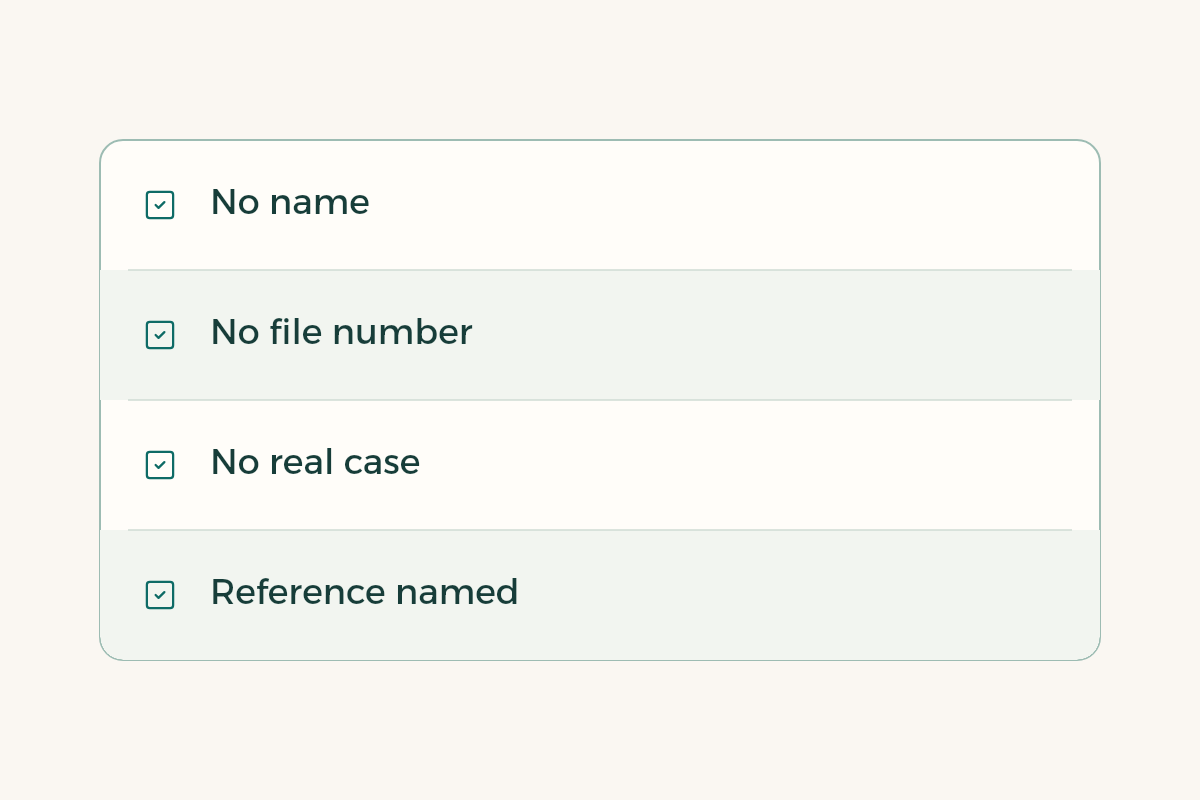
The table shows how to link, so show what you studied. And never write a patient’s name or file number on any sheet, even if the work comes from your placement.
How do you write an invented case that shows your skills?
- Build an imagined person
Age, sex, a general diagnosis and a lifestyle. Do not take it from a patient you saw, even with the name changed.
- Write the assessment questions
What you would ask, and how each question serves a later decision.
- Set one measurable goal
A goal the patient can follow, stated in a simple sentence.
- Tie the decision to a reference
Go back to the sources you studied and to recognised health bodies, and name them in a footnote. The World Health Organization publishes a healthy diet fact sheet that can be a starting point.3
- Write what you would tell the patient
Two paragraphs in non-technical language, then read them to a friend and see what they did not understand.

Do not include general treatment advice that reads as guidance to whoever opens the file. State plainly that the case is a study exercise and that clinical decisions belong to the supervising specialist.
How do you write the work into your CV?
State the kind of work, its course and your role. For instance: “prepared a hypothetical nutrition assessment case in the therapeutic nutrition course, and wrote a one-page education leaflet whose clarity I tested with a classmate”. That is the shape of the sentence, so change it to what you did. See the guide to student CVs for section order and the guide to building a portfolio for gathering cases in one file.
What weakens a clinical nutrition co-op application?
The gravest is putting real patient data in your file, which sinks the application whatever else it has. Then diet plans copied from the internet with no reference. Then promises of results such as “lose weight in a week”, which do not suit the language of the field. Then a long CV full of general courses and not one piece of work.
Read about the department you are applying to: inpatient wards, outpatient clinics or paediatric nutrition? Write a paragraph on what you would like to learn there and why. Someone who seems to know the nature of the department gives the recruiter a reason to pick them over a student with the same grades.
How do you make the most of the training term once accepted?
Note each week what you learned, with no identifying patient details, and what your supervisor said about your approach. That notebook becomes your co-op training report. Ask the supervisor what may and may not be written in your report. For contract, pay and rights see the guide to co-op training, and for your final year see the guide to a clinical nutrition graduation project.
What will the nutrition department ask in the interview?
Questions mostly circle four situations. First: a patient who does not stick to the plan. The answer is to ask about the obstacle before changing the plan, since it may be time, cost or family. Second: a patient who asks about a remedy they read about online. The answer is to listen, share what you know from a recognised source, and refer to the supervisor whatever falls outside your remit. Third: a mistake you made. The answer is that you tell your supervisor at once. Fourth: how you protect patient confidentiality, and the answer is what you kept to in your file.
Nutrition departments in Riyadh, Jeddah and Dammam hospitals vary between inpatient wards, clinics, diabetes care and paediatrics, so learn what you can about the one you apply to. Prepare a sentence on why you care about nutrition for one particular group, because a general answer such as “I like helping people” does not separate you from anyone. Tie your interest to a course or an invented case you wrote.
Practise the phrase “I don’t know, and I will ask my supervisor”. A health department rarely penalises a trainee who says it at the right time, but it fears the one who guesses. To show commitment, bring a printed copy of your education leaflet; it shortens the conversation and gives you something concrete to talk about. Bring your own questions too: who will supervise me, and how many cases will I discuss each week? Good questions are part of the interview.