
By the tiswa editorial team, from the official sources listed at the end of this guide. How we write our guides
In her fifth term a student at a University of Jeddah college decided to register eighteen credit hours instead of fifteen so she could graduate with her cohort. She built the timetable in one evening, then found in week three that two practical courses clashed in real time. This is an invented example, but it is how many people go wrong: they open the registration portal with one question and close it with five. Had she sorted the question from its door, she would have saved a month.
Where can you handle academic tasks yourself at the University of Jeddah?
The university lists an Academic Self Services page for students covering course addition and deletion, a comprehensive academic inquiry, the grade report and the study schedule, and it points to the Student Self Service portal.1 These are procedural: you do something or read something. You do not need an adviser to learn your timetable or your mark.
The common mistake is editing the timetable before reading the whole picture. Open the academic inquiry first, see what you have completed and what remains, and then decide. If the plan itself is unclear, read the guide to reading your degree plan before you ask anyone.
When do you need your academic adviser rather than the portal?
You need one when the question turns from “what do I have?” into “what should I do?”. Do I raise my hours or lighten them? Do I push a practical course to summer? Can I carry two courses that depend on one I only half passed? The portal cannot answer these, because the answer depends on your ability, your circumstances and your department’s plan.
| Type of question | Example | Door |
|---|---|---|
| Procedural | I want my timetable and grade report | Student self-service |
| Decision | Should I lighten this term? | Your academic adviser |
| Failure or stress | I failed and feel I cannot carry on | Guidance and counselling unit |
| Complaint or exception | I need a special case | Department, then the right deanship |
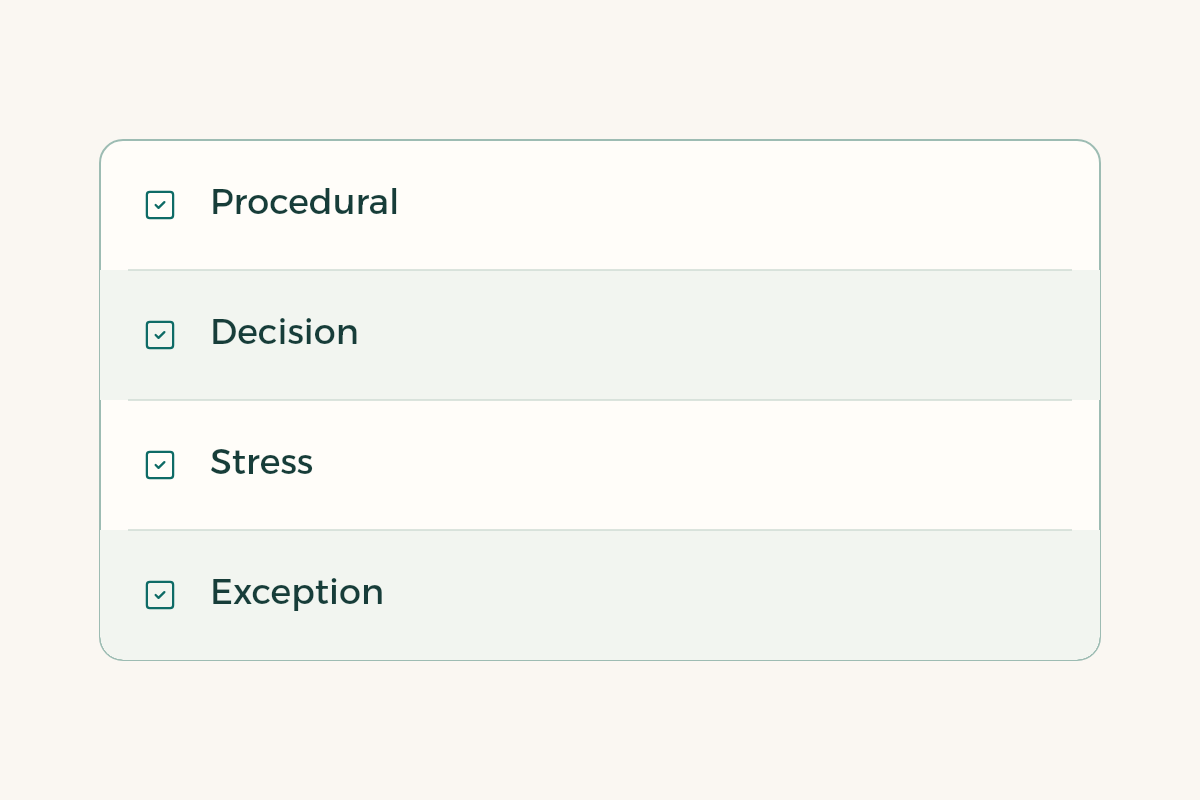
Treat the table as a rough sort. Exceptions are governed by your university’s regulations, so assume nothing until an official at your college confirms it.
What does the guidance and counselling unit in Student Affairs offer?
On its official page the unit lists individual counselling in person or remotely on mental health, quality of life, emotional intelligence, academic failure and student problems, plus developmental, preventive and remedial programmes and courses run by specialists.2 To book you fill in the online consultation request, visit the deanship (Building 5, Office 3 for men; Building 14, Office 222 for women) or email dsa@uj.edu.sa.2
Notice “academic failure” in the unit’s list. If you failed a course and dread next term, your adviser arranges the courses, and the unit helps with what comes before the timetable: why you struggled and how to avoid repeating it. The two complement each other.
How do you find your academic advisor and prepare your questions?
Start with your department office, which keeps the list of advisers for your programme. Can you choose your own? In most programmes you do not, so the useful question is how to make the assigned adviser useful to you. Then follow these steps.
- Sort the question
Procedural, decision or stress? Mark it. A procedural one does not need an appointment.
- Gather papers
Your current timetable, the grade report from self-service, and your study plan with the related courses highlighted.
- Write the decision in one line
“Should I take fourteen hours instead of eighteen and postpone the lab course?” A line like this makes the adviser answer instead of asking general questions.
- Pick a calm time
Do not go between two lectures. A short slot rushes the decision, and the adviser needs to look at your file.
- Ask for the next step
Before you leave, know who does what and by when. If it runs through the portal, do it the same day.
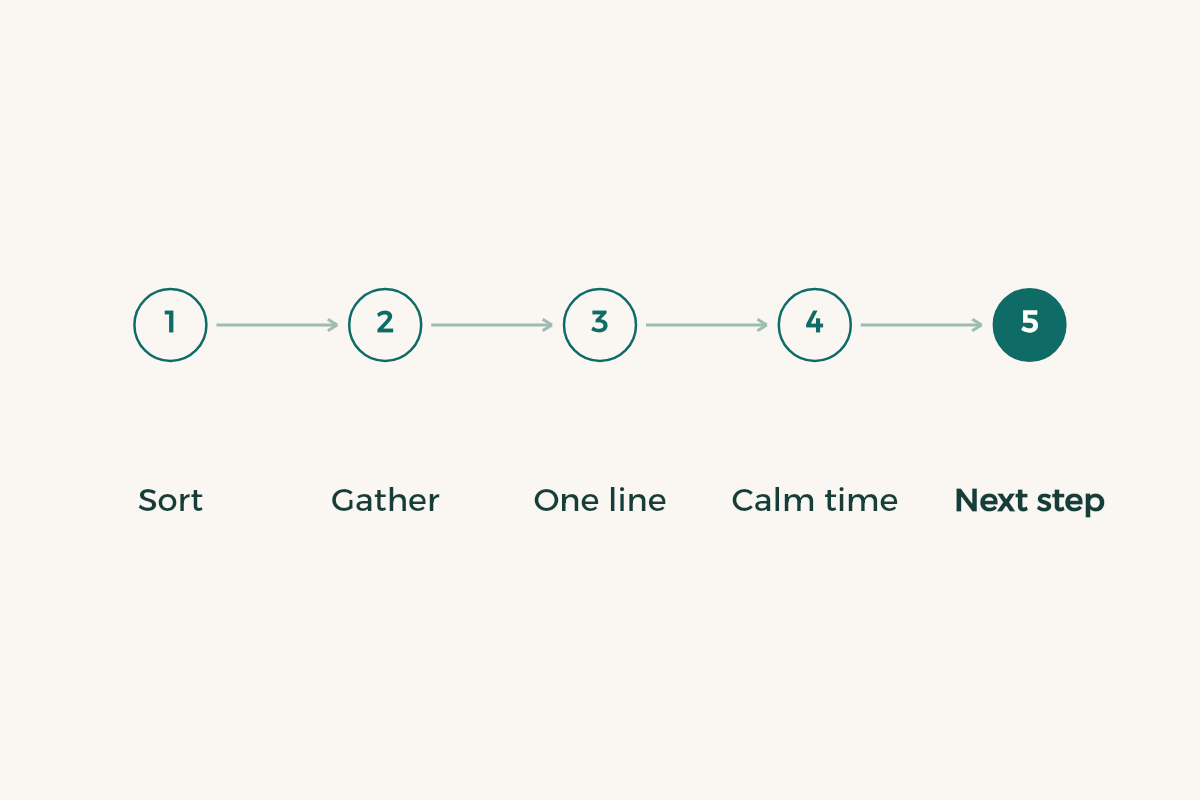
These steps are a working method, not a regulation. What your college announces about office hours and appointments is what counts.
Can you apologise for the semester or lighten your load?
Leaving a semester and lightening hours are different decisions and both pass through the university’s system. Ask your adviser first: what is the last date in the calendar, what happens to courses you registered, and how does it affect graduation? Then act through the official channel. The general guides help you understand, and the most useful are the drop and add guide and the semester withdrawal guide.
Remember that closing dates are announced by the university and the online service does not open after them. Leaving it to the last day can mean a busy or closed system, so act in the first week after you decide.
What protects your right to proper advising?
Academic accreditation of programmes is handled by the Education and Training Evaluation Commission,3 which is why colleges keep documents about their services. Ask your college unit how often an adviser should meet you and through which channel. After every meeting send a short message summarising what you agreed; it is more accurate than memory.